

US panel to vote on changing recommendation for infant hepatitis B vaccine
- Last update: 1 hours ago
- 2 min read
- 259 Views
- POLITICS
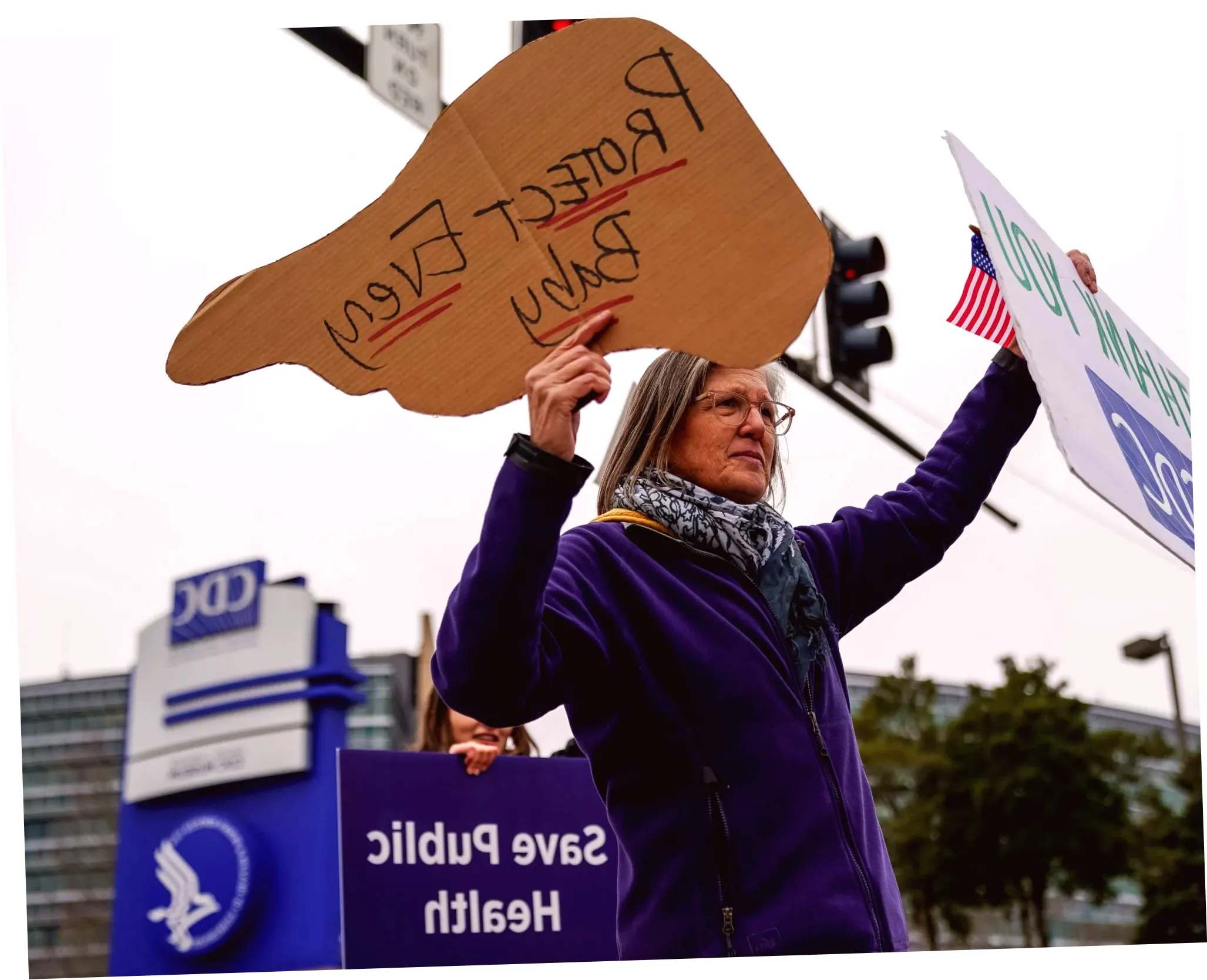
After repeated delays and a highly charged discussion, a federal advisory group on vaccines was set to vote on Friday regarding a potential change to the long-standing recommendation that all newborns receive the hepatitis B vaccine.
The first day of the Advisory Committee on Immunization Practices (ACIP) meeting on Thursday featured intense debates about limiting infant access to the hepatitis B vaccine. The vote was postponed by a day to allow members more time to examine the proposal's language.
The panel, which provides guidance to the Centers for Disease Control and Prevention (CDC) on vaccine use, had previously postponed the vote twice. Currently, the vaccine is recommended for all newborns within 24 hours of birth to prevent hepatitis B infection, a disease that can lead to severe liver damage. The vaccine has been administered to over 1.4 billion people worldwide for more than thirty years.
During the Atlanta meeting, no new evidence was presented showing harm from the vaccine. The advisory panel includes members appointed by Robert F. Kennedy Jr., a prominent anti-vaccine activist, and several long-time vaccine skeptics. Kennedy has advocated for delaying the infant hepatitis B shot.
Experts warn that any modifications to the current vaccination schedule could have significant consequences for children's health across the United States. During a discussion on Thursday, ACIP member Joseph Hibbeln questioned whether there was solid evidence of harm from administering the vaccine before 30 days of age, suggesting that current concerns were largely speculative.
Mark Blaxill, recently appointed as a senior CDC adviser and known for claims linking vaccines to autism, acknowledged that evidence of long-term risks was limited. Hibbeln responded by noting that the concerns were indeed based on speculation rather than established data.
The ACIP can only provide recommendations to the acting CDC director, Jim ONeill. Earlier leadership changes included the removal of the previous director, Susan Monarez, and the replacement of all 17 advisory committee members with appointees aligned with Kennedy's approach, including several vaccine skeptics.
Additionally, the panel saw another leadership change this week when Dr. Martin Kulldorff, the committees recent chair, stepped down to take an official role in the health department. He was succeeded by Dr. Kirk Milhoan, a cardiologist who has expressed criticism of COVID-19 vaccines.
Author: Logan Reeves
Share

RFK Jr.'s vaccine panel postpones vote on hepatitis B shot following disorganized meeting
40 minutes ago 2 min read POLITICS

CDC vaccine advisers postpone hepatitis B vote due to confusion
2 hours ago 3 min read POLITICS

Vaccine advisors selected by RFK Jr appeared uncertain about voting for potential changes to Hep B shot
3 hours ago 2 min read POLITICS

CDC advisers postpone important decision on hepatitis B vaccination during tense meeting
10 hours ago 3 min read HEALTH

RFK Jr.'s associate, lawyer opposed to vaccines, to update CDC on vaccine meeting
18 hours ago 3 min read POLITICS

RFK Jr's panel to consider postponing hepatitis B vaccinations for newborns
1 days ago 2 min read POLITICS

CDC advisory committee convenes to discuss hepatitis B vaccination, childhood immunization schedule
1 days ago 3 min read POLITICS

CDC panel to decide on hepatitis B vaccination for infants
1 days ago 3 min read POLITICS
Kennedy's vaccine advisors to consider timing of hepatitis B vaccine in significant policy shift
1 days ago 3 min read POLITICS

Kennedy's selected CDC advisors to consider significant alteration to childhood vaccine schedule
1 days ago 4 min read HEALTH