

Virginia's New Democratic Control Puts Right-To-Work in Jeopardy
- Last update: 1 hours ago
- 3 min read
- 535 Views
- POLITICS
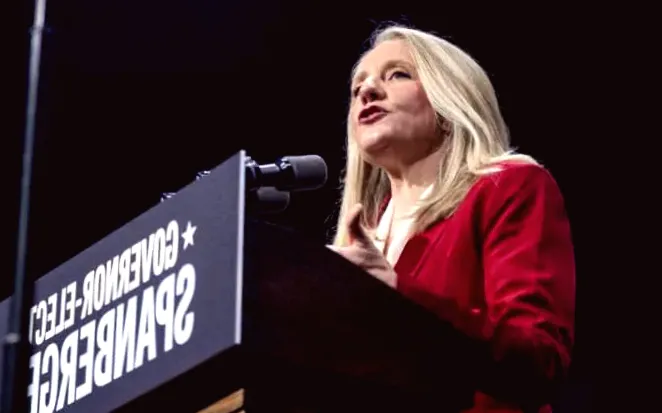
Virginia, long known for shifting its political alignment in off-year elections depending on the party controlling the White House, has experienced a dramatic shift this year. After four years under Republican Governor Glenn Youngkin, who won amid President Joe Bidens first year in office, the state has swung decisively Democratic, electing Governor-elect Abigail Spanberger during Donald Trumps second term. With Democrats now holding unified control in Richmond, speculation is growing that Virginias nearly 80-year-old right-to-work law could be at risk.
Though Spanbergers term begins in January, Democratic lawmakers in the state have already moved forward with legislation aimed at repealing the right-to-work statute. Currently, Spanberger has stated she opposes full repeal, but her long-standing support for labor raises questions about whether she may shift once in office.
In late November, State Senator Jennifer Carroll Foy introduced Senate Bill 32, designed to eliminate Virginias right-to-work law. This legislation addresses protections for private sector workers, ensuring they cannot be compelled to join a union or pay union agency fees to maintain employment. During her campaign, Spanberger repeatedly emphasized that repealing right-to-work was not a prerequisite for being pro-worker, arguing that workers and business interests can coexist.
Following the bills introduction, a spokesperson for Spanberger reiterated that the incoming governor does not support repealing the current law. However, her previous statements leave room for nuanced interpretation, noting she does not back "full repeal" but suggested that certain "reforms may be necessary."
One possible approach could mirror a 2020 effort by then-Senate Majority Leader Dick Saslaw, who proposed a partial repeal. His plan would have maintained workers choice not to join unions while allowing mandatory agency fee collection from non-members, a mechanism previously used in private sector unions. Although the 2018 Janus v. AFSCME Supreme Court decision prohibited this practice in the public sector, private-sector agency fees remain lawful under state legislation.
Earlier attempts to repeal right-to-work in Virginia have struggled, even with Democratic support. A 2021 bill failed decisively, with an 8813 vote in the House of Delegates. Yet, retirements among moderate Democrats could alter the political landscape for any upcoming vote.
Spanbergers labor record includes co-sponsoring the Protecting the Right to Organize (PRO) Act during her time in the House of Representatives. This legislation contained measures that would have effectively bypassed state-level right-to-work protections. Labor unions, including AFSCME, provided significant campaign support to Spanberger.
Rather than relying on partial repeal strategies, Virginia could explore modern labor reforms, such as portable benefits models already being implemented in neighboring Maryland. These programs allow gig and freelance workers to maintain benefit plans that move with them between jobs. Such approaches are gaining bipartisan traction in states including Tennessee and Utah and reflect the changing nature of work preferences toward flexibility and autonomy.
As the state faces the possibility of joining Michigan as the second state since 2023 to repeal right-to-work, Virginias labor policies may be on the brink of significant modernization, moving beyond decades-old debates and toward solutions suited for the contemporary workforce.
Author: Ethan Caldwell
Share

Virginia's New Democratic Control Puts Right-To-Work in Jeopardy
1 hours ago 3 min read POLITICS

What swing voters expect from their candidates: Insights from the Politics Desk
13 hours ago 4 min read POLITICS

Proposal may change Virginia's House delegation to a 10-1 Democratic advantage
16 hours ago 2 min read POLITICS

Tennessee congressional election turns into unexpected challenge for blue wave
5 days ago 4 min read POLITICS