

How Travelers Can Stay Safe from 'Juice Jacking', According to the TSA
- Last update: 1 hours ago
- 2 min read
- 892 Views
- TRAVEL

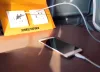
The Transportation Security Administration (TSA) has issued a warning to travelers about the potential dangers of "juice jacking" when using public USB charging stations. While experts suggest that confirmed cases are rare, the threat exists when malware is installed on charging ports in public areas.
To minimize risk, travelers are advised to use personal battery packs or carefully observe any prompts on their devices before charging.
Understanding the Threat
The TSA highlighted the risk on social media, explaining that hackers could install malicious software on public USB ports, a practice referred to as "juice jacking." Travelers are encouraged to avoid plugging devices directly into these ports and instead use TSA-approved power banks or portable chargers.
This warning has drawn attention to how cybercriminals might attempt to access personal data through public charging stations. But how likely is this to happen to everyday travelers?
Expert Insights
Calum Baird, a digital forensics specialist, suggests that juice jacking is largely theoretical. In his professional experience, he has not encountered real-world cases. Modern smartphones usually require user confirmation before allowing data transfer over USB, offering an additional layer of protection.
The Federal Communications Commission (FCC) also notes that while juice jacking is technically possible, no confirmed incidents have been reported.
Hidden Dangers: USB Cables
Danny Jenkins, CEO of ThreatLocker, points out that compromised USB-C cables may present a greater risk than public charging stations. Many travelers remain cautious of public ports but may overlook the hazards of inexpensive or questionable cables purchased from stores or online marketplaces. Malicious actors may exploit these cables to target devices.
Protective Measures for Travelers
Even though actual juice jacking cases are uncommon, taking precautions is recommended. Portable battery packs are a simple way to reduce exposure. When public charging is the only option, travelers should inspect ports for tampering and be cautious of any prompts on their devices. Declining data access requests while charging can prevent unwanted transfers.
Overall, while the likelihood of juice jacking remains low, the TSA's warning is a sensible precaution due to the volume of travelers and the sensitive information stored on devices. Using personal charging equipment, checking device notifications, and being mindful of cable sources can effectively minimize risks. After all, a drained battery can be a more immediate problem than malware for most travelers.
Author: Logan Reeves
Share

Over 100 passengers and crew members fall ill in cruise ship norovirus outbreak
38 minutes ago 2 min read TRAVEL

French Senate approves new €15 per passenger tax for cruise ships
49 minutes ago 2 min read TRAVEL

Edinburgh Airport resumes operations following air traffic disruption that caused flight delays
1 hours ago 2 min read TRAVEL
How Travelers Can Stay Safe from 'Juice Jacking', According to the TSA
1 hours ago 2 min read TRAVEL

Delta imposes temporary halt on flights to Detroit Metro Airport
2 hours ago 1 min read TRAVEL

Plans to Expand US Travel Ban to Over 30 Countries Unveiled by Head of Homeland Security
2 hours ago 2 min read TRAVEL

DFW CEO Not Worried About New Airport Development
2 hours ago 2 min read TRAVEL

Detroit Airport in Chaos following Ground Stop for Delta Flights
2 hours ago 1 min read TRAVEL

A cooking teacher and food expert analyzes Michelin's first Philadelphia list − and gives inspectors a rating of zero stars
2 hours ago 4 min read TRAVEL

Penguins line up for bird flu vaccinations at Paris zoo
3 hours ago 2 min read TRAVEL