

14 Regular Individuals Who Made a Historical Impact
- Last update: 3 days ago
- 4 min read
- 33 Views
- WORLD
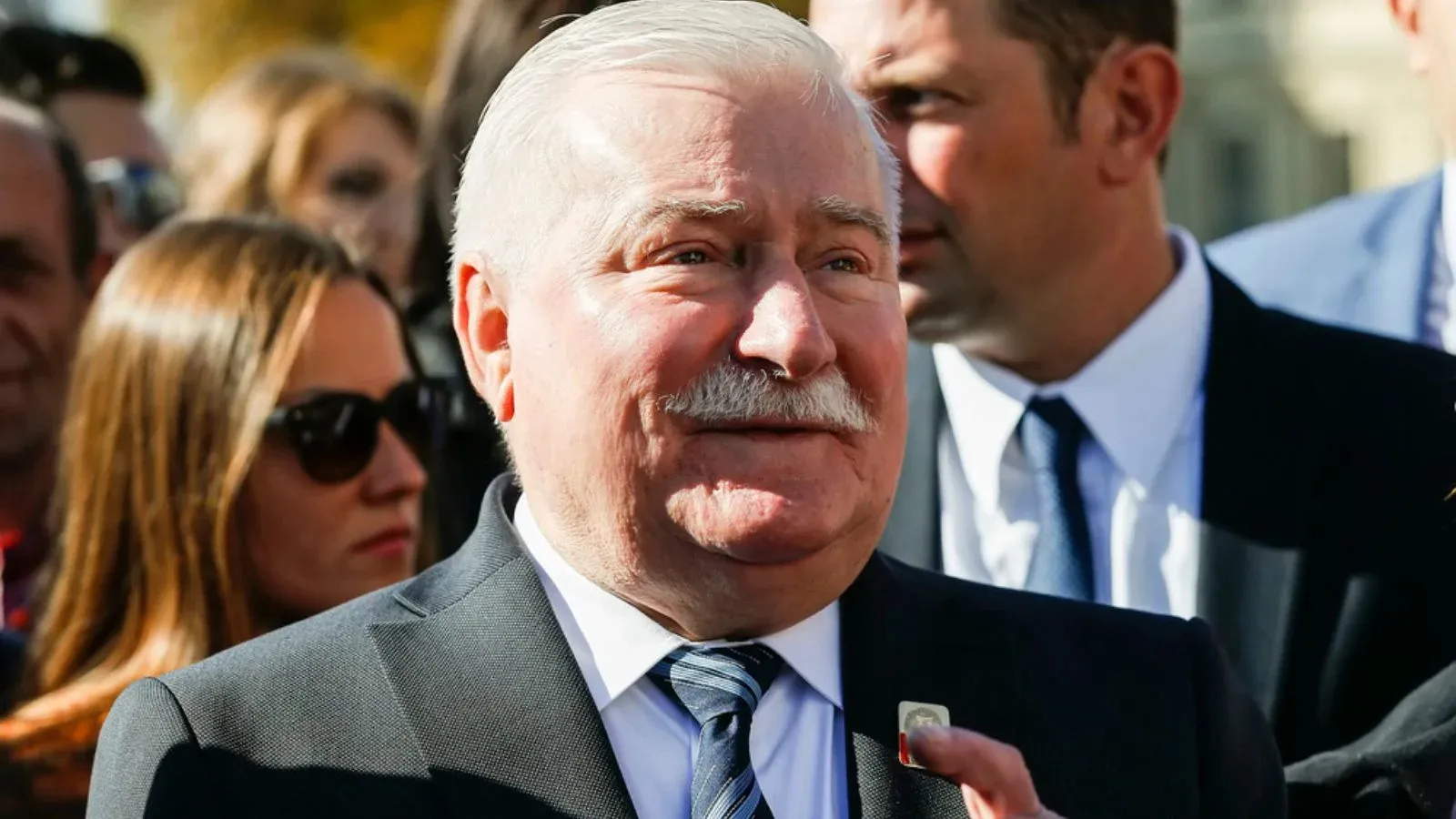
When we think of historical changemakers, we often picture renowned leaders, inventors, or activists. Yet, many pivotal moments in history were shaped by everyday people who happened to be at the rightor wrongplace at the right time. These individuals rarely sought fame or recognition; they simply responded to circumstances or stood up for what they believed in, creating effects far beyond their intentions.
Gavrilo Princip
At just 19 years old, Gavrilo Princip altered the trajectory of the 20th century. He was neither a politician nor a military leader, only a young man with firm political convictions. By assassinating Archduke Franz Ferdinand in 1914, Princip triggered events that led to World War I, reshaping Europe and influencing global geopolitics, showing how one impulsive act can have enormous consequences.
Claudette Colvin
Before Rosa Parks became a household name, Claudette Colvin, a 15-year-old in Montgomery, Alabama, refused to give up her seat to a white passenger in 1955. Arrested for her defiance, Colvin's courage was initially overlooked due to her age, yet her bravery helped lay the foundation for the Montgomery Bus Boycott and the Civil Rights Movement, proving youth can spark significant change.
Stanislav Petrov
In 1983, Soviet officer Stanislav Petrov faced a false nuclear alert indicating incoming U.S. missiles. Defying protocol, he reported it as a false alarm, likely preventing a nuclear catastrophe. Petrovs choice highlights how calm judgment in critical moments can avert global disaster.
Oskar Schindler
Oskar Schindler, a businessman with a complicated past, transformed during World War II. Witnessing Nazi atrocities, he protected over 1,000 Jewish workers through his factory. Schindlers story demonstrates that even those who start without heroic intentions can make extraordinary moral choices under pressure.
Malala Yousafzai
As a young student in Pakistan, Malala Yousafzai survived a Taliban assassination attempt for advocating girls education. Instead of silencing her, it amplified her mission, ultimately making her the youngest Nobel Peace Prize winner. Malalas courage turned personal adversity into a global campaign for education rights.
Henry Dunant
Witnessing the aftermath of the Battle of Solferino in 1859, businessman Henry Dunant provided aid to wounded soldiers without regard to nationality. This experience inspired the creation of the International Red Cross, proving that a single compassionate act can grow into a worldwide humanitarian movement.
Harriet Tubman
Born into slavery, Harriet Tubman escaped to freedom and repeatedly risked her life returning south to lead hundreds to safety via the Underground Railroad. Her bravery weakened the institution of slavery and stands as a lasting testament to the impact of individual courage.
Maurice Hilleman
Maurice Hilleman, a microbiologist, developed over 40 vaccines, including those for measles, mumps, and hepatitis, saving millions of lives. His quiet dedication proves that transformative impact does not require fame, only expertise and persistence.
Irena Sendler
During World War II, Irena Sendler smuggled 2,500 Jewish children out of the Warsaw Ghetto, hiding them from the Nazis. Despite being captured and tortured, she never revealed the childrens identities, showing that heroism often thrives in secrecy and moral conviction.
Eugene Lazowski
Polish doctor Eugene Lazowski ingeniously faked a typhus epidemic during WWII, preventing the Nazis from deporting entire communities to concentration camps. His creative strategy highlights how intellect and ingenuity can protect lives in times of crisis.
Raoul Wallenberg
Swedish diplomat Raoul Wallenberg saved tens of thousands of Hungarian Jews during the Holocaust by issuing protective passports and offering shelter under Swedish authority. His actions demonstrate that courage can manifest through strategic use of existing resources.
Alice Paul
Alice Paul was a key figure in the American womens suffrage movement. Through protests and hunger strikes, she helped secure the 19th Amendment, proving that relentless activism by determined individuals can change national policy.
Lech Wasa
Lech Wasa, an electrician in Polish shipyards, led strikes that contributed to the fall of the Communist regime in Poland. His grassroots leadership inspired wider movements across Eastern Europe, illustrating that ordinary workers can ignite political revolutions.
Vasili Arkhipov
During the 1962 Cuban Missile Crisis, Soviet naval officer Vasili Arkhipov refused to authorize a nuclear strike under extreme pressure. His decision likely prevented global catastrophe, showing that individual restraint at crucial moments can safeguard the world.
Author: Sophia Brooks
Share

Israel Allowed to Compete in Eurovision After Organizers Opted Not to Implement Ban
1 minutes ago 2 min read WORLD

Scientists Believe They Have Identified the Cause of Death for 60,000 Penguins on 2 Remote Islands
6 minutes ago 2 min read WORLD

Justin Trudeau Excited to Introduce 'Partner' Katy Perry to Japan's Former Prime Minister in Their First Political Event Together
7 minutes ago 2 min read WORLD

'Charity shop worker attacked by full-time burglar with a knife'
10 minutes ago 2 min read WORLD

Green leader successfully passes no confidence vote
11 minutes ago 1 min read WORLD

Nearly 200 homes evacuated in UK town due to potential explosives threat, 2 men arrested
14 minutes ago 2 min read WORLD

Germany decides to reinstate voluntary military service
15 minutes ago 2 min read WORLD

Chris Pratt to Star in Documentary About Saint Peter's Tomb by AF Films & Vatican Media
15 minutes ago 3 min read WORLD

Hyundai from South Korea Supports Quick Naval Upgrades in the Philippines
17 minutes ago 3 min read WORLD

Merz delays Norway visit for discussions in Belgium regarding frozen Russian assets
18 minutes ago 2 min read WORLD