

Afghan Americans in the US seek answers after DC shooting amid fear and anxiety
- Last update: 3 days ago
- 4 min read
- 37 Views
- WORLD
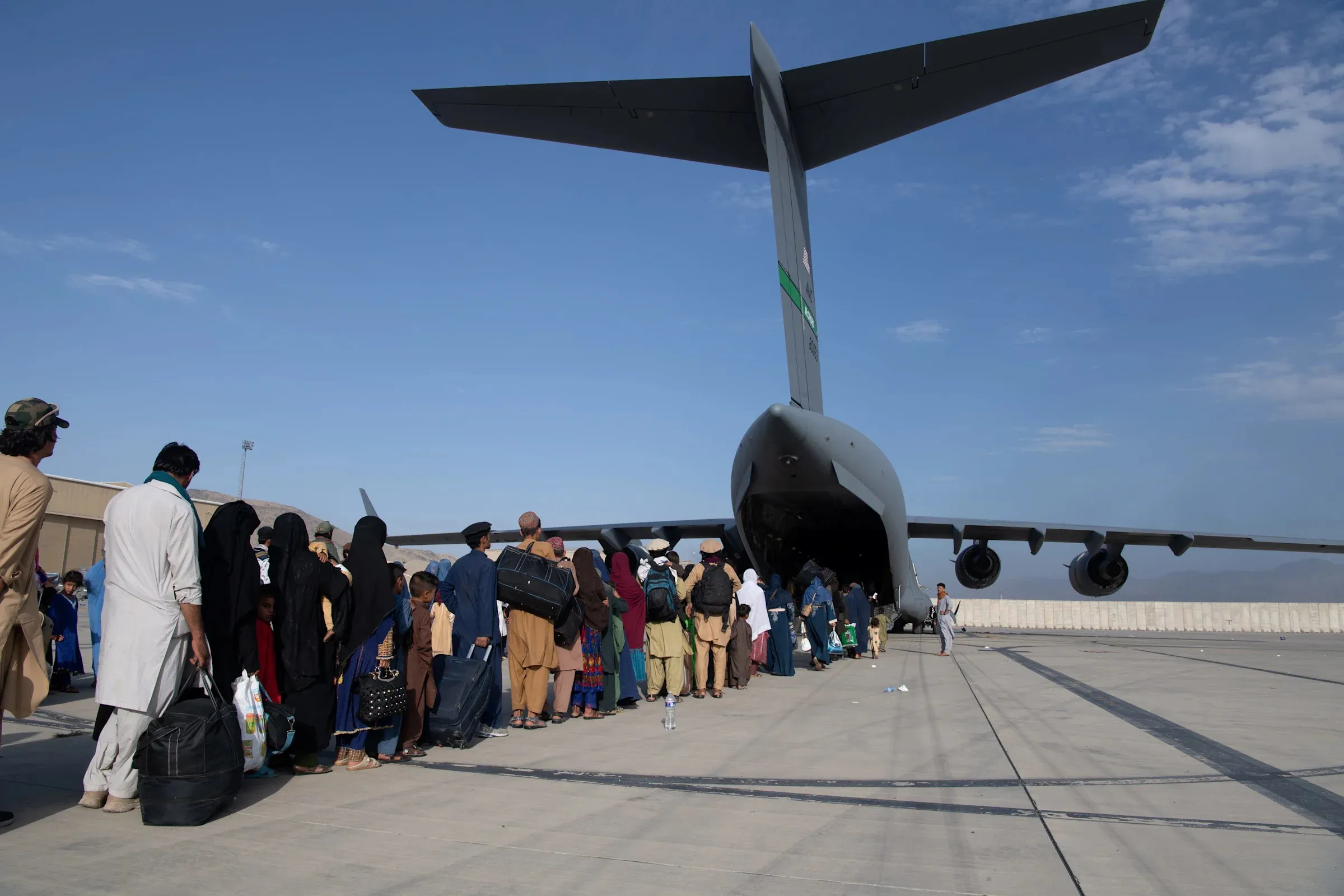
LOUISVILLE, Kentucky Over four years after fleeing Afghanistan as Kabul fell to the Taliban in 2021, Tamim Bedar finally received his green card in March. Bedar, 45, who supported U.S. efforts throughout Americas 20-year engagement in Afghanistan, has since built a life in Kentucky. He assists other refugees, watches his children succeed in school, and pursues a masters degree. His elderly parents, who arrived in 2022, were granted asylum and await their green card approvals, while his brother remains in Afghanistan.
However, recent events have shaken Afghan communities nationwide. Following the November 26 shooting in Washington, D.C., in which two National Guard members were targeted, the suspectan Afghan nationalhas prompted policy changes, political reactions, and heightened anxiety within the Afghan diaspora.
Across the U.S., Afghan communities have condemned the attack while emphasizing that one individual should not define an entire group. Theres a lot of fear within the community that there will be collective punishment because of the act of one individual, Bedar said.
The suspect, 29-year-old Rahmanullah Lakanwal, was among the more than 190,000 Afghans resettled in the U.S. since 2021 through Biden-era programs like Operation Allies Welcome and Enduring Welcome. The reason behind his attack, which killed West Virginia National Guard member Sarah Beckstrom, 20, and critically injured Andrew Wolfe, 24, remains unclear.
Community members organized a vigil for Beckstrom in Webster Springs, West Virginia, on November 28, 2025. Local officials and residents expressed grief while honoring the slain Guardsman.
In response to the attack, the Trump administration paused Afghan immigration requests, reviewed asylum approvals granted under the Biden administration, and ordered a reassessment of green cards from 19 countries, including Afghanistan. The Trump Administration is now actively reexamining all of the Afghans imported into the country by Joe Biden, White House Press Secretary Karoline Leavitt stated on December 1.
Shawn VanDiver, head of the nonprofit AfghanEvac, argued that the shooting is being used to justify preexisting restrictions on immigration, causing stress for Afghan allies who served alongside U.S. troops. Our community is seeing a surge in fearpeople asking whether they should move, whether they should show up to check-ins, whether a traffic stop or a paperwork glitch could upend everything, he wrote.
Lakanwal, who arrived in the U.S. in 2021 via a Biden-era evacuation program for Afghan military allies, was vetted at the time. He had been part of CIA-backed Zero Units in Afghanistan. He applied for asylum in December 2024 and was approved in April 2025. According to a childhood friend, Lakanwal struggled with mental health issues and distress over casualties caused by his unit. His behavior worsened to the point that a community advocate sought help for him out of concern for his safety.
In Oregon, Nasirullah Safi, an Afghan combat interpreter, noted that many former fighters suffer from severe trauma and PTSD, compounded by adapting to new culture and language. This is our forever home, and we love this country. We fought for this country, and we will do it again in a heartbeat, he said, expressing distress at rising anti-Afghan sentiment.
Other Afghan communities, including those in Boise, Idaho, and Houston, Texas, report fear over immigration status uncertainty and potential backlash. Ahmadullah Sediqi, a former military interpreter in Houston, highlighted that refugees and special immigrant visa holders undergo rigorous vetting, but many now face indefinite delays. Approximately 265,000 Afghan visa cases, including 180,000 SIV applications, are currently pending, leaving families worried about deportation and retaliation by the Taliban.
Back in Louisville, Bedar feels relatively secure due to his history and public record supporting U.S. initiatives, yet uncertainty remains over his parents green card approvals and potential government reviews for others in the Afghan community. For now: its a lot of question marks for a lot of people, he said.
Chris Kenning, national correspondent
Author: Sophia Brooks
Share

Putin and Modi agree to strengthen trade relations during official visit
1 minutes ago 1 min read WORLD

Funding allocated for crime prevention in playing fields and church
2 minutes ago 1 min read WORLD

Archaeologists Discover Eerie Warning from the Roman Empire
2 minutes ago 2 min read WORLD

Stalker sentenced for violating restraining order
7 minutes ago 1 min read WORLD

US reevaluating relationship with Tanzania following violent election turmoil
8 minutes ago 2 min read WORLD
US raid reportedly resulted in death of undercover agent instead of IS official
8 minutes ago 3 min read WORLD

Legal experts' opinions on the second US strike on a boat in Venezuela
11 minutes ago 4 min read WORLD

Full support for crackdown on anti-social behavior
11 minutes ago 2 min read WORLD

ERP Seeks Matching Grant of $250,000 to Expand Anti-Poaching Air Wing
12 minutes ago 2 min read WORLD

All Populations on the Largest Continent Share a Common DNA Thread—Except for One
14 minutes ago 2 min read WORLD