

Endangered species convention suggests new regulations for expanding exotic pet trade
- Last update: 3 days ago
- 4 min read
- 39 Views
- WORLD
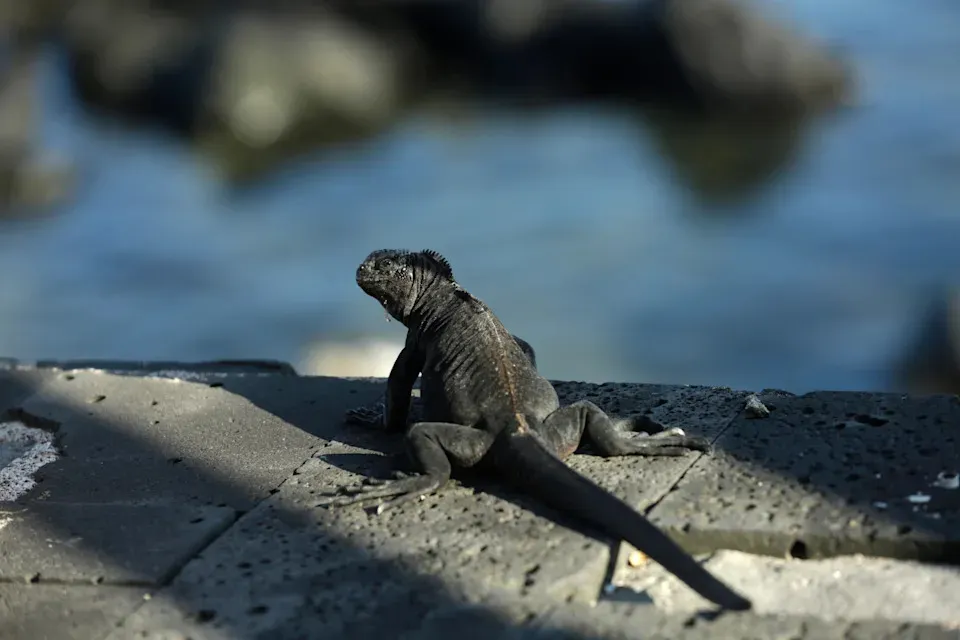
Conservation experts are urging tighter controls on the growing online and social media-driven trade of exotic pets, including reptiles, birds, and other wildlife. The concern comes as more wild species appear for sale and gain popularity on digital platforms.
The two-week Convention on International Trade in Endangered Species of Wild Fauna and Flora (CITES) is taking place in Samarkand, Uzbekistan, concluding on Friday. Among the topics to be discussed on Tuesday are several proposals aimed at curbing the international pet trade. Suggestions include stricter rules or outright bans on species such as Galapagos iguanas, multiple Latin American tarantula species, and the distinct Homes Hinged-back Tortoise from West Africa.
The online pet market is increasingly focused on reptiles and amphibians. People want rare animals without visiting pet shops, explained Susan Lieberman, Vice President for International Policy at the Wildlife Conservation Society. Thousands of animals, including endangered and illegally obtained species, are readily available online.
Previously, wildlife trade centered on animal parts like ivory and tiger bones, but live animals are now dominating online sales. The rise of internet marketplaces connects buyers directly with wildlife traffickers worldwide, said Matt Collis, Senior Director of International Policy at the International Fund for Animal Welfare. With modern e-commerce and fast shipping, no wildlife is truly safe.
Social media influencers have also fueled demand by making ownership of exotic pets appear trendy. Many species proposed for protection are from Latin America, where illegal trade is growing. A recent IFAW report covering 18 Spanish-speaking countries in Latin America found over 100,000 animals seized or poached from 2017 to 2022, with a steady yearly increase. Reptiles accounted for 60% of the trade, birds 30%, and amphibians over 10%. While much of the trade is regional, animals are also shipped internationally, mainly to Europe, Asia, and the United States. Over 90% of seized wildlife destined for Europe were live animals, highlighting the role of the pet market in driving illegal trade.
Among the reptiles under review for stricter controls is Homes Hinged-back Tortoise, a critically endangered species with a unique hinge that allows it to close off its limbs and tail. Other proposed regulations include two Ethiopian vipers, two Mexican rattlesnake species, the leaf-tailed gecko from Australia, and two South American sloth species, increasingly seen in themed cafes across Asia. Ecuador has submitted a proposal to ban trade in Galapagos iguanas, which are critically endangered or vulnerable. Illegal collection and smuggling of young iguanas to ports for export to Japan and other Asian countries continues despite decades-long domestic prohibitions, with black-market prices reaching up to $25,000.
The United States supports proposals protecting iguanas, sloths, vipers, tortoises, and geckos, but opposes restrictions on rattlesnakes. Experts note that even when trade is banned, loopholes in CITES permitting and captive breeding rules allow traffickers to launder wild animals. Export permits should verify that animals and their parentage are legally sourced, but this often does not happen, Collis said. This undermines protections intended to safeguard species.
Captive breeding, originally thought to reduce pressure on wild populations, can also inadvertently expand markets for wild-caught animals. Breeding in captivity sounds good in theory, but it often leads to cheaper wild-caught animals being laundered, Lieberman explained.
Additional proposals include regulating trade in over a dozen tarantula species, heavily traded in countries like Bolivia, Argentina, and Panama. The plan would allow trade only if the origin is legal, sustainable, and traceable. Many tarantulas are vulnerable due to long lifespans, limited ranges, and low reproduction rates, yet most remain unregulated internationally, the proposal notes.
The United States Association of Reptile Keepers opposes the tarantula listing, calling it an overly broad restriction. The association also argued that existing regulations on iguana trade already offer sufficient protection. Meanwhile, a report from the Center for Biological Diversity found the U.S. imports an average of 90 million live exotic animals annually, highlighting its major role in the global pet trade.
Wildlife exploitation, including for pets, drives the global extinction crisis, the report said. One million species could face extinction in coming decades unless urgent action is taken. Addressing the U.S. role in the exotic pet trade is essential to protect biodiversity for future generations.
Author: Sophia Brooks
Share

Experts are Baffled by the Increase of a Rare Cancer in Young People
2 minutes ago 3 min read WORLD

Youthful Roars: A Return to Pre-War Tradition on Gaza Sand Dunes
8 minutes ago 1 min read WORLD

Woman Almost Experiences 'Internal Decapitation' After Doctors Ignore Her for 20 Years: ‘I Was Not Taken Seriously’
9 minutes ago 2 min read WORLD

Jessie J Reveals Details of Emotional Encounter with Kate Middleton Despite Breaking Royal Protocol
12 minutes ago 2 min read WORLD

'UN urges Syrian regime to do more for justice for Druze, Alawites and minority groups'
16 minutes ago 2 min read WORLD

Sources say that the leader of a gang opposed to Hamas, who was armed by Israel, was killed in Gaza.
18 minutes ago 2 min read WORLD

Officials announce that an international governing body for Gaza will be established by the end of the year.
26 minutes ago 2 min read WORLD

Putin disagrees with some aspects of US plan to end Ukraine war
27 minutes ago 3 min read WORLD

Pedestrian sustains serious injuries in car collision
27 minutes ago 1 min read WORLD

Analysis: Can Direct Talks Between Lebanon and Israel Alter the Current Situation?
29 minutes ago 3 min read WORLD