

King Charles III Maintains Crown's Credibility by Setting Boundaries
- Last update: 44 minutes ago
- 4 min read
- 622 Views
- WORLD
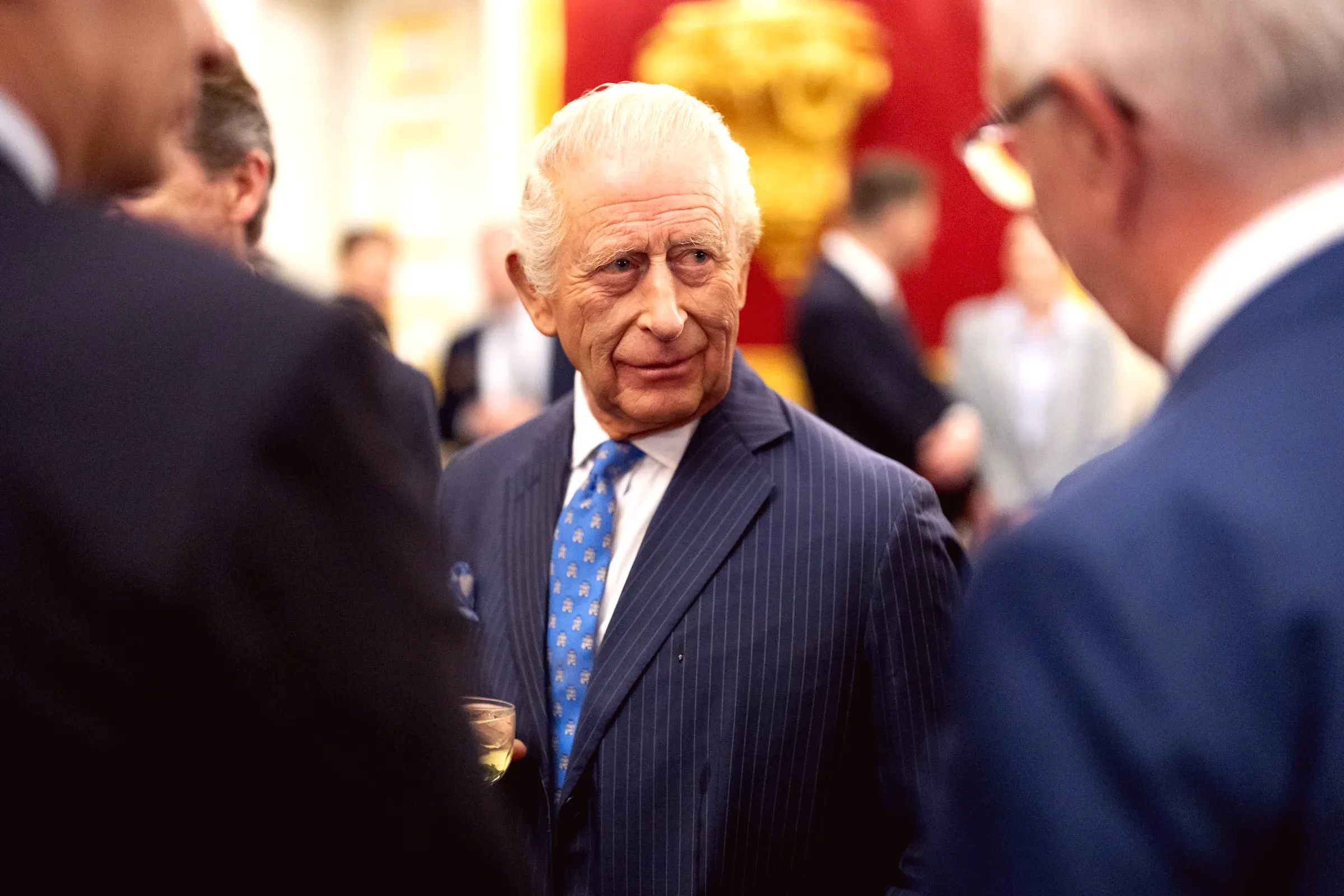
On Thursday, Buckingham Palace delivered what seems to be its definitive statement regarding the fate of the disgraced former Prince Andrew, Duke of Yorknow formally referred to as Andrew Mountbatten-Windsor. The Palace's message was succinct, yet its consequences were profound. Unlike previous communications, it omitted any reference to dialogue with Andrew, signaling that the decision rested solely with King Charles, likely in consultation with Prince William, the heir apparent.
The tone of the statement was unusually firm, breaking with the longstanding royal tradition of careful and measured public language. Observers interpreted this not as routine protocol, but as a significant exercise of authority, emphasizing the monarchy's determination to uphold moral and institutional standards.
A Statement with Far-Reaching Implications
The Palace declared: "His Majesty has today begun formal proceedings to remove the Style, Titles, and Honours of Prince Andrew Formal notice has now been served to surrender the lease and he will relocate to private accommodation Their Majesties wish to express that their thoughts and deepest sympathies remain with the victims and survivors of any and all forms of abuse."
Beyond the procedural measures, the statement established a moral boundary. By explicitly recognizing the victims, the monarchy publicly distanced itself from Andrews actions. For King Charles, historically cautious about family controversies, this marks a clear shift: royal rank will no longer shield wrongdoing from moral scrutiny.
The Monarchy Under Pressure
The British monarchy has not encountered such turbulence since the 1990s, a period marked by marital breakdowns, the Windsor Castle fire, and the death of Princess Diana, which nearly eroded public confidence. Over the following decades, the monarchy rebuilt its reputation. Yet recent eventsthe deaths of senior royals, the Sussexes departure, and Andrew's involvement in the Epstein scandalhave reopened these challenges.
Within this historical framework, the decision to strip Andrew of his titles is more than punitive; it is existential. Echoing previous royal instances where duty outweighed personal attachment, King Charles acts as a custodian defending the institutions moral credibility.
An Unprecedented Demotion
Andrews removal is unparalleled in modern times. He has lost his style as His Royal Highness, his titles including Duke of York, Earl of Inverness, and Baron Killyleagh, and his honors such as Royal Knight Companion of the Order of the Garter and Knight Grand Cross of the Royal Victorian Order. He must also leave Royal Lodge. Even during King Edward VIIIs abdication, the title Duke of Windsor remaineda symbolic concession denied to Andrew, highlighting the severity of the action.
While past removals of royal titles were politically motivated, this is the first instance of a senior royal being penalized for moral failings rather than political alignment.
Triggering Events and Wider Impacts
The timing followed renewed public outrage after leaked emails contradicted Andrews 2019 interview claiming to have severed ties with Jeffrey Epstein. The correspondence showed otherwise, intensifying calls for accountability. Combined with years of denial and refusal to leave Royal Lodge, the situation left the king with no alternative but decisive intervention.
The controversy also affected Andrews former wife, Sarah Ferguson, whose financial interactions with Epstein added further strain. Many within royal circles viewed the action not merely as punishment for Andrew, but as protection of the institutions reputation in a world increasingly critical of royal misconduct.
The Significance of Symbolism
Stripping a royal of titles is largely symbolic, but symbolism is central to the monarchys authority. Every honor or title carries moral weight; losing that credibility risks undermining the institution itself. King Charless decision emphasizes that privilege must align with responsibility. By publicly expressing sympathy for Epsteins victims, the monarchy affirms that ethical standards are non-negotiable.
A Defining Choice for a Modern Monarch
For Andrew, the transition to Mr. Mountbatten-Windsor represents a complete detachment from royal entitlement. For King Charles III, it is a necessary demonstration of leadership. Beginning his reign in the shadow of his mothers enduring popularity, Charles is establishing a legacy defined by confronting internal controversies openly, prioritizing institutional integrity over family protection.
This moment may be remembered not only as the fall of a prince but as the point at which the British monarchy reaffirmed its moral responsibility and reasserted its relevance in contemporary society.
Author: Jackson Miller
Share

Source: Prince William Refuses to Engage in This 'Petty' Behavior with Prince Harry
1 hours ago 2 min read WORLD
Prince William Will not Treat Prince Harry Like This When He Becomes King — Source
1 hours ago 2 min read WORLD

Potential Release of Future Epstein Documents May Lead to Further Legal Troubles for Former Prince Andrew
2 hours ago 3 min read WORLD
Historian says King Charles and Prince William disagree about the future of the monarchy
5 hours ago 2 min read WORLD

Former Prince Andrew refuses to leave royal residence: Biographer
6 hours ago 2 min read WORLD
Prince William and Kate Middleton under Fire for Alleged "Abuse of Power" in Dispute Over New Mansion
8 hours ago 2 min read WORLD
Prince Harry's stalker came within yards despite Royal Protection efforts
17 hours ago 2 min read WORLD

Sarah Ferguson Relying on Trusted Staff During Ongoing Royal Fallout: 'Her Nerves Are Frayed'
19 hours ago 2 min read WORLD

Andrew Allegedly Demanding £75,000,000 from King Charles to Vacate Royal Lodge
2 days ago 2 min read WORLD

Crown Estate denies Andrew Mountbatten-Windsor six-figure compensation for leaving Royal Lodge
2 days ago 2 min read WORLD