

Lebanon's inability to disarm Hezbollah may lead to renewed conflict with Israel
- Last update: 3 days ago
- 3 min read
- 19 Views
- WORLD
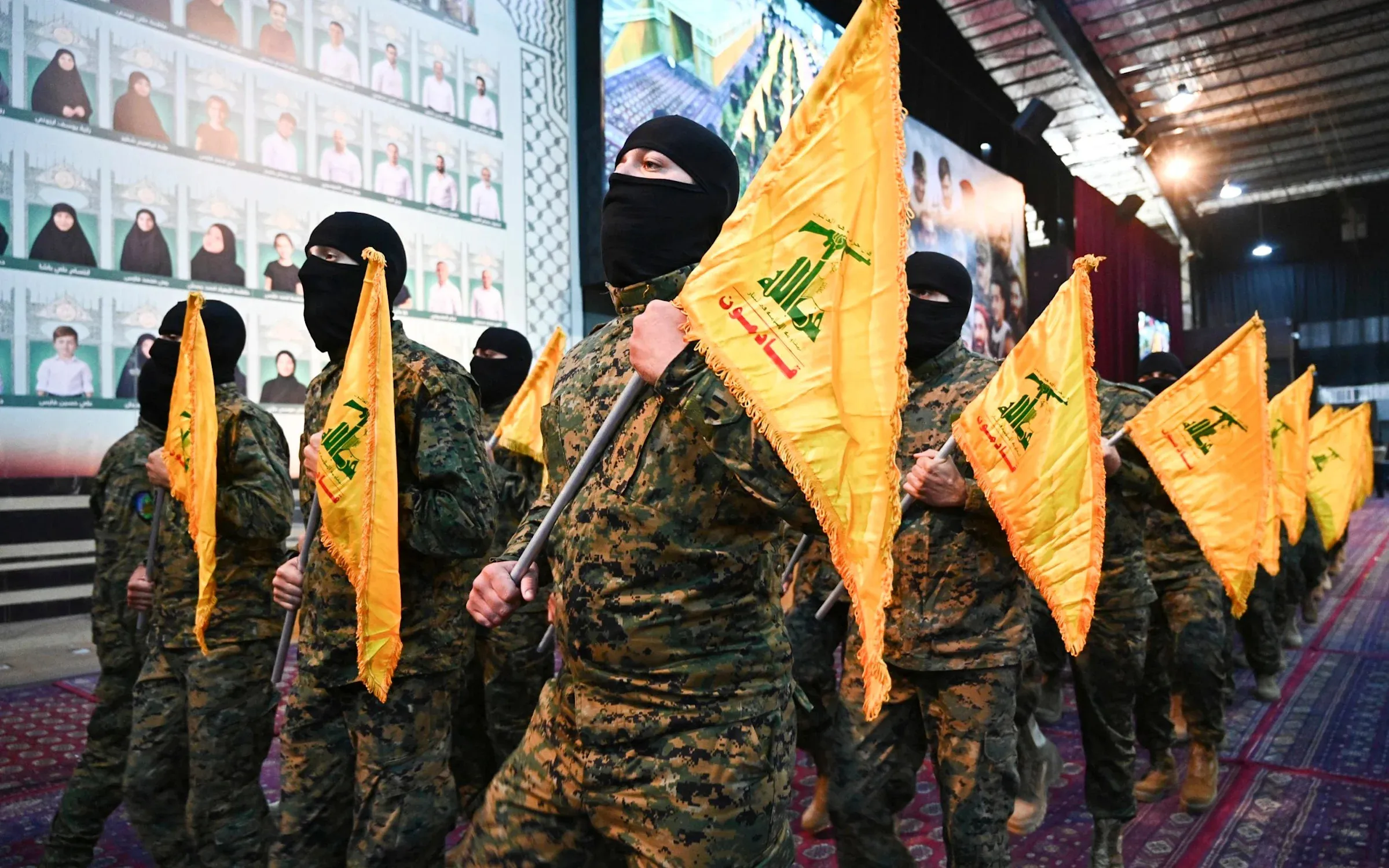
Lebanon is expected to miss the U.S.-set deadline for disarming Hezbollah, a failure that could intensify conflict in the Middle East, according to current and former Israeli military officials. The Lebanese Armed Forces (LAF) were assigned the task of confiscating and destroying all weapons belonging to the Iran-backed group by December 31.
Earlier this year, in May, Prime Minister Nawaf Salam stated that the LAF had completed roughly 80% of its plan to demilitarize southern Lebanon. Despite this optimism, Israel has expressed growing skepticism about the likelihood of success.
An Israeli military source, speaking anonymously, told The Telegraph that although the LAF has taken unprecedented measures in recent decades, it is still insufficient to fully disarm Hezbollah. Regarding the claim of 80% completion, the official commented, Thats a difficult number to accept.
The inability of Lebanon to neutralize Hezbollah could have serious consequences for regional stability. The White House reportedly approved a $230 million package to support the LAF in this mission, and failure could provoke strong reactions from both Washington and Israel. Prime Minister Benjamin Netanyahu has maintained regular strikes on Lebanon following a ceasefire, but these operations could escalate if Hezbollah continues to strengthen.
The Israeli official highlighted Hezbollahs deep entrenchment within civilian areas, including homes, farms, and private property, which complicates LAF operations. The LAF avoids private residences and is hesitant to confront local Shia populations, a situation Hezbollah exploits, the official said. He explained that the LAFs definition of success differs from Israels, measuring progress by selected areas rather than total clearance. As a result, the 80% figure may not reflect actual disarmament on the ground.
Patrolling near the Israeli border, Lebanese soldiers face an impossible mission in confronting better-armed Hezbollah fighters. The official added that unless private infrastructure is addressed, claims of a fully cleared area will not be accepted.
Recent reports indicate the disarmament process has slowed, with the LAF deploying its explosives to destroy weapons caches. Meanwhile, Israel has detected increased Hezbollah attempts to import arms from Syria, especially north of the Litani River, prompting daily airstrikes. Over the course of the ceasefire, Israel estimates it has killed 370 Hezbollah fighters. A recent airstrike killed Hezbollah military leader Haytham Ali Tabatabai in Beirut, signaling Israels growing impatience with the Lebanese government.
Former Israeli intelligence chief Tamir Hayman expressed doubt about the LAFs chances, calling the mission impossible. He suggested that by August, Lebanon had lost the motivation to confront Hezbollah directly, and that Iran continues to funnel significant funds and resources to the group through the Quds Force.
Sarit Zehavi, head of Alma, a center studying northern Israeli security, also questioned the LAFs effectiveness. The LAF is not conducting house-to-house searches or entering private areas, so their results are limited, she said. Zehavi stressed that Lebanons government relies on external support, expecting the U.S. and Israel to act rather than confronting Hezbollah itself. She argued that dialogue alone cannot neutralize an armed militia that aims to exert full influence over the country.
Looking ahead, Hayman warned that a major escalation between Israel and Hezbollah is likely. He noted that while airstrikes may temporarily pressure Lebanons government politically, the underlying threat remains, leaving the region on edge for future conflict.
Author: Sophia Brooks
Share

ERP Seeks Matching Grant of $250,000 to Expand Anti-Poaching Air Wing
50 seconds ago 2 min read WORLD

All Populations on the Largest Continent Share a Common DNA Thread—Except for One
2 minutes ago 2 min read WORLD

Proposals for the renovation of a leisure centre announced
2 minutes ago 2 min read WORLD

Need for foster carers highlighted by festive stockings
3 minutes ago 1 min read WORLD
Three polar vortices cause temperatures to drop in central and eastern U.S. as initial Arctic cold front approaches
3 minutes ago 3 min read WORLD

Authorities seize thousands of illegal cigarettes in raids
5 minutes ago 2 min read WORLD

Macron's ping-pong diplomacy covers up unsuccessful visit to China
9 minutes ago 2 min read WORLD

Final supermoon of 2021, the cold moon, observed throughout the United States: View the images
10 minutes ago 3 min read WORLD

Relatives tell the BBC that Olympian and other Eritreans released after 18 years without trial
11 minutes ago 2 min read WORLD

Kate Middleton and Prince William Reportedly Feel Extremely Relieved They Weren't Obliged to Move Into a Palace
13 minutes ago 2 min read WORLD