

The Summit between Modi and Putin Sends a Message to Trump
- Last update: 1 hours ago
- 3 min read
- 132 Views
- WORLD
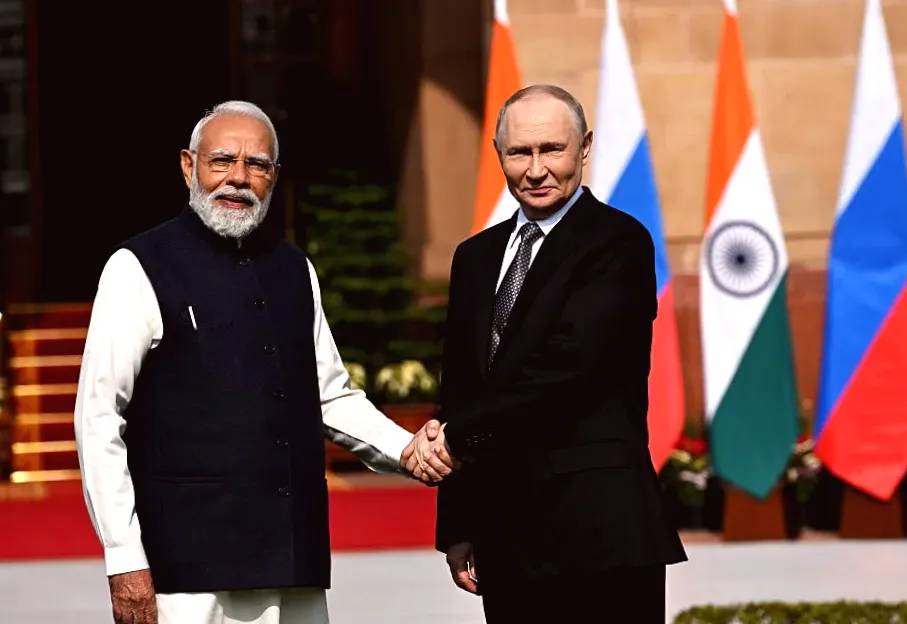
On Friday, December 5, 2025, Vladimir Putin was welcomed in New Delhi with formal honors, shaking hands with Indian Prime Minister Narendra Modi at Hyderabad House. The warm greeting, including a hug on the tarmac, highlighted Indias ability to maintain independent diplomatic ties, even as tensions with the U.S. rise.
Despite Russia making it clear that it has no plans for meaningful peace talks regarding Ukraine, India treated Putin with high-level hospitality. The encounter underscored that Russia is not isolated in key regions, and New Delhi is exercising strategic independence amid strained U.S.-India relations.
President Donald Trump has imposed 50% tariffs on Indian goods, largely citing Indias increased purchase of Russian oilfrom virtually zero before the Ukraine invasion to nearly 40% today. U.S. Trade Adviser Peter Navarro has described the conflict in Ukraine as partially Indias responsibility due to its energy imports from Russia, emphasizing that New Delhi could play a role in peace efforts.
While India and the U.S. continue trade negotiations, disagreements remain on tariffs, H1-B visas, Pakistan policy, and Trumps concept of a G-2 arrangement with China, which would undermine decades of U.S. strategy in the Indo-Pacific. The Trump Administrations stance toward India appears short-sighted, a trend visible in Modis recent engagement with both Putin and Xi Jinping at the Shanghai Cooperation Summit in September.
The agenda of Putins visit included energy, defense, civil aviation, critical minerals, investments, and labor migration. India is pushing for expedited delivery of military hardware, including delayed S-400 missile defense systems. While Russia remains Indias largest arms supplier, imports have dropped significantly, prompting New Delhi to diversify its defense sources.
Economic and trade issues dominated the discussions. Putin and Modi announced an economic cooperation framework through 2030. However, the growth in trade has largely been driven by oil, which faces disruption due to U.S. sanctions on major Russian energy companies. Indian refiners have already paused new Russian oil orders, and India seeks greater access to Russian markets for pharmaceuticals, machinery, and agriculture. Putin assured India of uninterrupted energy supplies to support its economy.
While the visit was more symbolic than transformative, with no major defense deals signed, agreements were made in critical minerals, civilian nuclear energy, and shipbuilding. Modi emphasized Indias commitment to peace, signaling that New Delhi does not remain neutral on the Ukraine conflict.
Both countries face challenges in adapting to changing geopolitical and economic realities. Modi and Putin reaffirmed their intention to strengthen bilateral ties, recognizing that historical defense cooperation and temporary energy surges cannot be the sole foundations for engagement. For Washington, the visit is a clear indication that its current approach toward India may need reevaluation.
Author: Ava Mitchell
Share

Putin and Modi to collaborate in the Arctic
2 hours ago 3 min read WORLD
Putin and Modi agree to strengthen trade relations during official visit
4 hours ago 1 min read WORLD
‘Continuous oil deliveries’: Main points from Putin-Modi discussions in Delhi
5 hours ago 4 min read WORLD
Despite Pressure from Trump, Putin Finds Willing Trade Partner in India
6 hours ago 2 min read WORLD
Putin assures Russia's commitment to provide 'continuous' fuel supply to India
6 hours ago 3 min read WORLD

Putin opposes US pressure on India regarding Russian oil during state visit
9 hours ago 3 min read WORLD
Putin's visit to Delhi puts oil and trade in spotlight
12 hours ago 1 min read BUSINESS

India warmly welcomes Russia's Putin
12 hours ago 2 min read WORLD
Putin and Modi start India summit amid looming trade and US sanctions
12 hours ago 3 min read WORLD

Putin and Modi to discuss trade and defense ties between Russia and India amidst US pressure
13 hours ago 3 min read WORLD