

US concerns about potential concealment in Air India crash
- Last update: 5 days ago
- 2 min read
- 15 Views
- WORLD
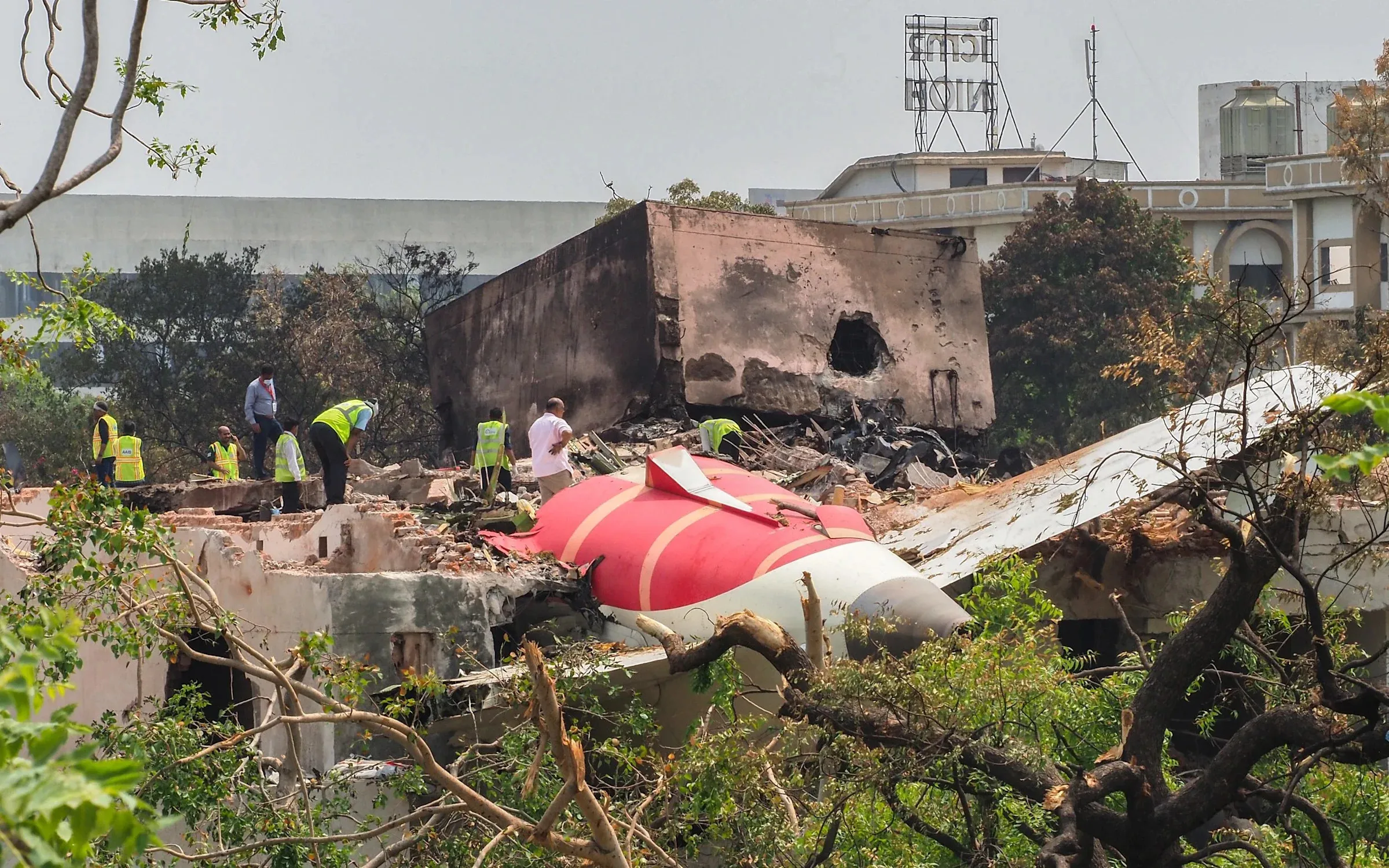
US authorities have expressed concerns that Indian officials might be attempting to conceal facts about the tragic Air India Flight 171 disaster, which claimed 260 lives. Only one passenger survived the crash, which occurred moments after takeoff from Ahmedabad in western India in June. The disaster resulted in the deaths of 241 people on board, as well as 19 individuals on the ground.
According to The Wall Street Journal, US investigators believe the planes captain, Sumeet Sabharwal, may have intentionally caused the crash. Analysis of the Boeing Dreamliners black box suggests that cockpit controls were manipulated to cut fuel to the engines, and the aircrafts nose was not raised before impact.
Some US officials worry that India may attempt to deflect blame from the pilot and attribute the crash to mechanical failure. The Boeing Dreamliner went down just 11 seconds after leaving Ahmedabad Airport on June 12.
Indian observers, however, argue that US investigators may be overlooking potential flaws in the aircraft, despite no previous fatal crashes involving the Boeing Dreamliner. Indias Supreme Court recently ruled that Sabharwal was not responsible for the crash. Sabharwals father described the allegations against his son as character assassination, emphasizing his sons unblemished 30-year career as a pilot.
The joint investigation by Indian and US authorities, prompted by the planes US manufacturing and FAA certification, has been marked by mutual distrust. GVG Yugandhar, head of Indias aircraft accident investigation bureau, reportedly told US officials that India is fully capable of conducting the investigation independently.
Concerns have arisen over the handling of evidence, particularly the black box. American investigators were reportedly barred from photographing the wreckage, some of which was moved before examination. Two US specialists sent to New Delhi in June were prevented from accompanying Indian authorities to a remote lab for analysis of the flight data and cockpit voice recorders.
Jennifer Homendy, chair of the US National Transportation Safety Board (NTSB), voiced concerns about the safety of US personnel and equipment, given potential regional risks. Indian officials initially insisted on analyzing the black box in Korwa, a location they deemed secure and secluded. Ms. Homendy advocated for either New Delhi or Washington facilities, and Indian authorities eventually agreed to New Delhi following the US threat to withdraw investigative support. Requests for updates from Ms. Homendy to Mr. Yugandhar reportedly went unanswered.
Author: Sophia Brooks
Share

Putin and Modi agree to strengthen trade relations during official visit
1 minutes ago 1 min read WORLD

Funding allocated for crime prevention in playing fields and church
2 minutes ago 1 min read WORLD

Archaeologists Discover Eerie Warning from the Roman Empire
2 minutes ago 2 min read WORLD

Stalker sentenced for violating restraining order
7 minutes ago 1 min read WORLD

US reevaluating relationship with Tanzania following violent election turmoil
8 minutes ago 2 min read WORLD
US raid reportedly resulted in death of undercover agent instead of IS official
8 minutes ago 3 min read WORLD

Legal experts' opinions on the second US strike on a boat in Venezuela
11 minutes ago 4 min read WORLD

Full support for crackdown on anti-social behavior
11 minutes ago 2 min read WORLD

ERP Seeks Matching Grant of $250,000 to Expand Anti-Poaching Air Wing
12 minutes ago 2 min read WORLD

All Populations on the Largest Continent Share a Common DNA Thread—Except for One
14 minutes ago 2 min read WORLD