US Defence Secretary Pete Hegseth stated that he "did not personally see survivors" prior to a lethal follow-up strike on a suspected drug-smuggling vessel in the Caribbean. The initial attack reportedly left two individuals clinging to the burning wreck before a second strike was authorised, resulting in their deaths.
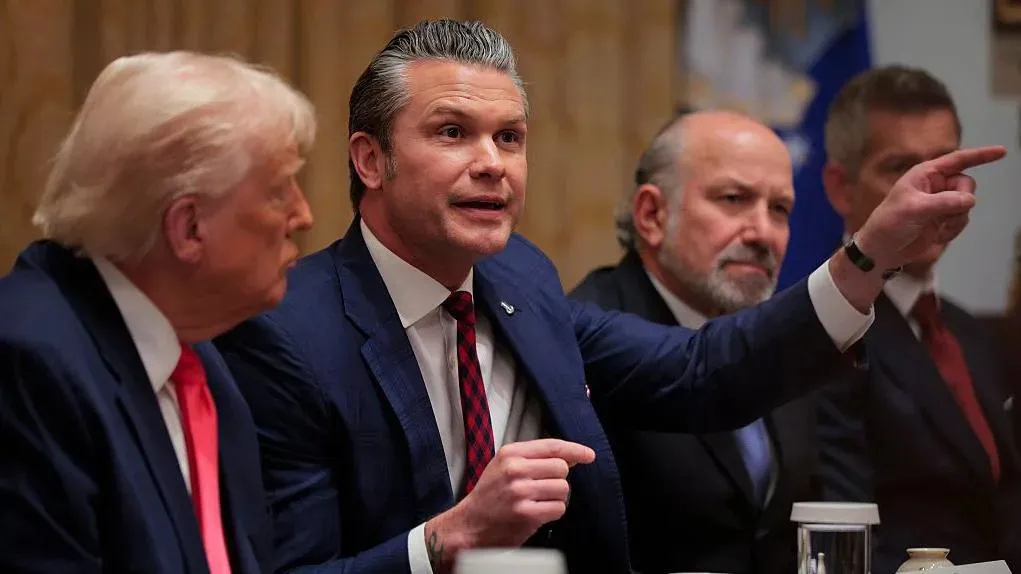
The 2 September operation has raised concerns that US forces may have breached international armed-conflict regulations. Speaking during a White House cabinet meeting, Hegseth said the incident was shaped by the "fog of war" amid rapidly unfolding events.
According to the White House, the second strike was approved by senior US Navy Admiral Frank Bradley. Details of this decision were first disclosed by the Washington Post, prompting scrutiny from lawmakers across both political parties.
Responding to questions on Tuesday, Hegseth said he watched the first attack live before being pulled into another meeting and insisted he did not witness any survivors. The vessel was engulfed in flames and later exploded visibility was nonexistent. That is the fog of war, he said. He added that he learned of Bradleys decision to sink the vessel a few hours afterward, calling it the correct decision.
President Trump also defended Adm Bradley, though he claimed the administration had not been informed about the follow-on strike at the time. He reiterated his stance on eliminating drug-smuggling vessels, saying, I want those boats taken out.
More than 80 people have been killed in a series of similar maritime strikes across the Caribbean and Eastern Pacific since early September. The Trump administration maintains that these operations are necessary to protect Americans from drug-related threats. On Tuesday, Trump asserted that maritime trafficking had sharply declined as a result, though he offered no evidence.
Members of Congress from both parties have voiced concerns about the 2 September incident. The Senate Armed Services Committee announced it will conduct rigorous oversight to determine the facts. Adm Bradley, who led Joint Special Operations Command at the time, is expected to testify on Capitol Hill this week. He has since been promoted to lead US Special Operations Command.
The Geneva Conventions prohibit the deliberate targeting of wounded combatants, requiring they be detained and provided medical care. Several experts told the BBC they doubt the legality of the alleged follow-up strike under international law.
Following the incident, the US has substantially increased its military presence in the region. On Tuesday, Trump said operations may soon expand, declaring that forces will start doing those strikes on land.