

Can Cannabis Lower Alcohol Intake? Research from Brown University Investigates the Question
- Last update: 1 days ago
- 2 min read
- 260 Views
- BUSINESS
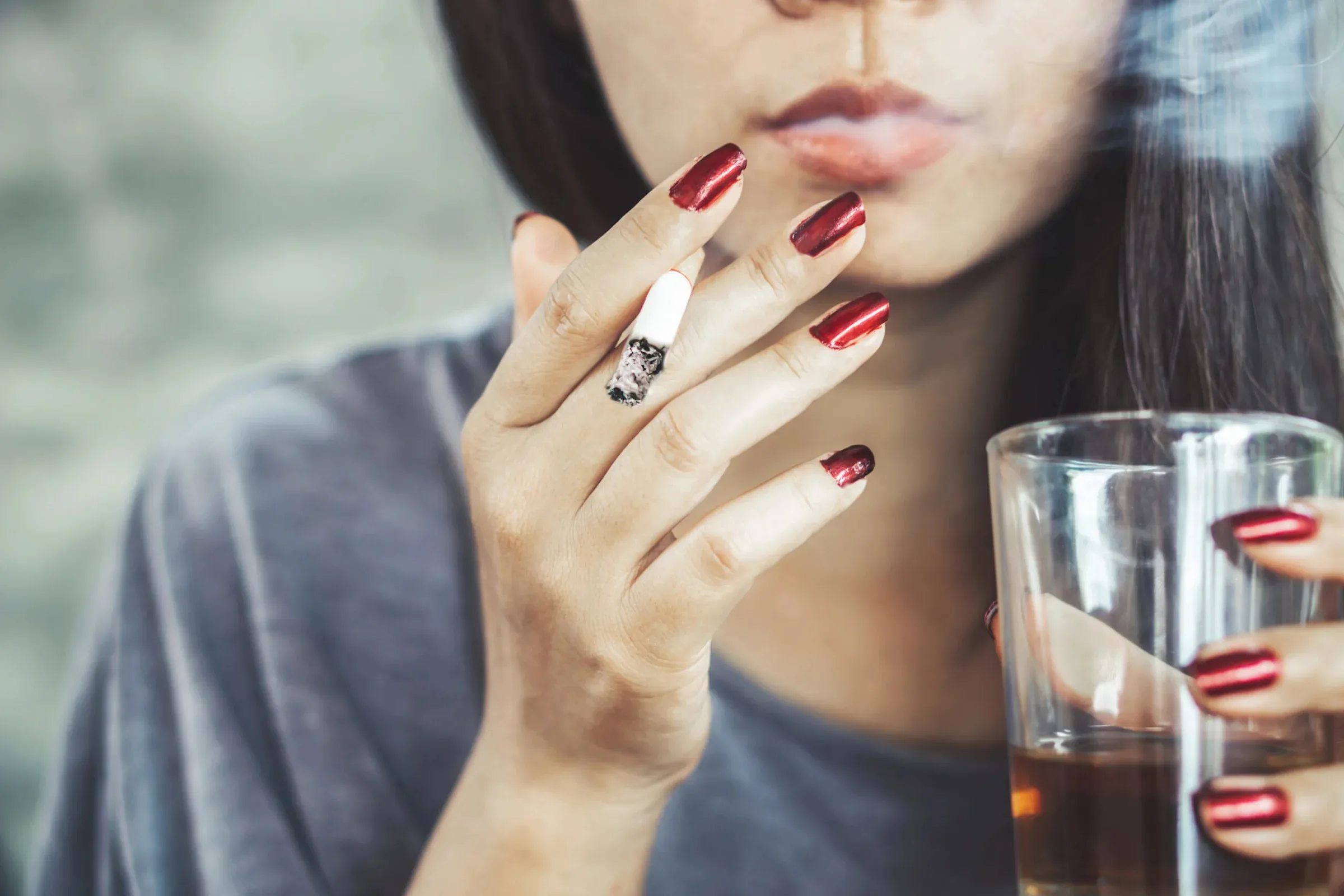
Recent research conducted at Brown University suggests that cannabis consumption might temporarily lower alcohol intake, shedding light on the interaction between these substances. The study, published in the American Journal of Psychiatry, represents the first randomized, placebo-controlled investigation into whether cannabis directly affects drinking behavior.
Unlike earlier research that relied on surveys and self-reports, this trial allowed scientists to observe cause-and-effect relationships in a controlled environment. The study involved 157 adults aged 21 to 44 who reported frequent heavy drinking and regular cannabis use.
Participants attended three laboratory sessions where they smoked cannabis containing either low or high THC levels, the primary psychoactive compound, or a placebo. Afterward, they took part in the Alcohol Choice Task, a simulated bar scenario where they could either consume their preferred alcoholic beverage or receive small cash incentives for abstaining.
The results revealed that individuals who consumed THC-containing cannabis drank less alcohol than those given a placebo. A lower THC concentration (3.1%) led to approximately 19% less alcohol consumption, while a higher concentration (7.2%) reduced intake by 27%. Participants also reported weaker immediate cravings and delayed their first alcoholic drink when using THC.
Jane Metrik, professor of behavioral and social sciences and psychiatry at Brown University, noted, "These findings indicate that cannabis may temporarily suppress the urge to drink, but the long-term effects remain unclear."
The researchers emphasized that these findings do not suggest cannabis should replace alcohol therapeutically. Cannabis carries its own addiction risks, and real-world usage patterns may differ from controlled lab settings. Ongoing studies aim to explore how alcohol and cannabis interact and the effects of different cannabinoids, including THC and CBD, on drinking behavior.
Excessive alcohol consumption continues to be a serious public health concern, ranking as the third leading cause of preventable death in the U.S. and resulting in an estimated $249 billion annually in healthcare costs, lost productivity, and other damages. Understanding the interplay between substances could help guide future prevention and treatment strategies.
Metrik added, "Our research continues to investigate these interactions. While cannabis is not a recommended substitute for alcohol, these initial results provide a valuable foundation for understanding how these substances influence each other."
Author: Logan Reeves
Share

Pennsylvania Game Warden Issues Warning After Deer Found with 'Pet' Painted on Its Body and Showing 'No Fear' of Humans
1 minutes ago 2 min read BUSINESS

Over 330,000 people utilize new bridge within its first year
2 minutes ago 1 min read BUSINESS

Intellexa, a sanctioned spyware maker, had direct access to government espionage victims, according to researchers.
4 minutes ago 3 min read BUSINESS

Police prepare for Wear-Tyne derby
4 minutes ago 2 min read BUSINESS

Namibia's attempt to lift ban on rhino horn trade fails
6 minutes ago 3 min read BUSINESS

Zoe Saldana Dresses in Balenciaga for 'Avatar: Fire And Ash' Paris Photocall
7 minutes ago 1 min read BUSINESS

Influence of English Common Law on the United States
9 minutes ago 3 min read BUSINESS

Reform Needed in Federal Trade Commission Settlements
9 minutes ago 3 min read BUSINESS

SCOTUS News for Friday, December 5
10 minutes ago 4 min read BUSINESS

Police alert about fraudulent emails purportedly from government agencies
12 minutes ago 1 min read BUSINESS