

Closing of student magazines as the latest development in the fight for press freedom and diversity, equity, and inclusion
- Last update: 1 hours ago
- 3 min read
- 360 Views
- BUSINESS
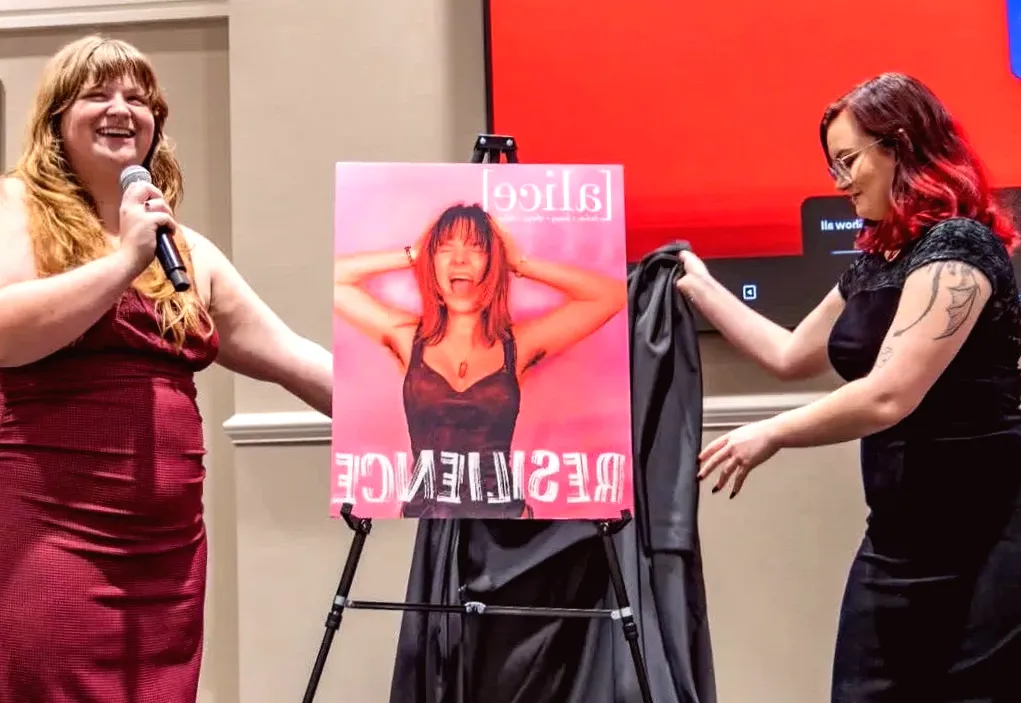
The University of Alabama has paused operations for two student-run magazines, escalating ongoing debates over student press freedom across the United States. The university stated that the suspension was necessary to "fulfill our legal responsibilities," according to spokesperson Alex House, speaking to the Montgomery Advertiser.
This action relates to a July memorandum from U.S. Attorney General Pam Bondi, which advises federally funded institutionsincluding public universitieson compliance with federal anti-discrimination laws. The guidance, issued under the Trump administration, contends that diversity, equity, and inclusion programs could be interpreted as illegal discrimination.
The magazines affected are Alice Magazine, which covered topics such as health, wellness, fashion, and womens issues, and Nineteen Fifty-Six, which focused on Black culture and campus life. Bondis memo emphasizes that all Americans must be treated equally and that discrimination based on protected traits is illegal. It also cautions against "unlawful proxies," meaning policies that indirectly consider race, sex, or other protected characteristics under a neutral guise.
Student editors have disputed claims that their publications breached any regulations. Gabrielle Gunter, editor-in-chief of Alice Magazine, explained that the magazines' targeted audiences may have triggered the universitys response, while noting that students from any background could contribute. She expressed surprise, saying she had assumed First Amendment protections for the press would apply.
The Student Press Law Center, which defends student journalists rights, affirmed that the First Amendment does cover student media. Senior legal counsel Mike Hiestand questioned the universitys reasoning, stating, "These magazines do not exclude anyone; they amplify voices of historically marginalized communities. That is protected speech, not illegal discrimination." He also suggested the suspension might amount to viewpoint discrimination, as only publications serving women and Black students were affected.
This incident follows recent controversies at other universities. Indiana University faced criticism after firing the adviser of its student newspaper and ceasing its print edition, sparking a lawsuit for alleged First Amendment violations. The Foundation for Individual Rights and Expression (FIRE) named Indiana University the lowest-ranked public university in the country for campus free speech in a September report.
Similarly, the University of Central Oklahoma halted print publication of its student newspaper, The Vista, in August. FIRE issued a letter in October highlighting multiple instances, including the print suspension, that it argued infringed on First Amendment rights.
Hiestand described 2025 as "an exceptionally challenging year for universities and student media," emphasizing that educational institutions should defend free speech and press freedoms, rather than silencing student voices they find inconvenient.
Author: Olivia Parker
Share

Trump approves production of Japanese compact cars for US market
1 minutes ago 2 min read BUSINESS

AI Used to Create a Fake Avi Loeb on YouTube
1 minutes ago 2 min read BUSINESS

Urban Traffic Jams Persist, Except in Certain Major North American Cities
15 minutes ago 3 min read BUSINESS
Officials approve innovative housing project with groundbreaking features: 'Establishes a new benchmark'
15 minutes ago 2 min read BUSINESS
Here's where minimum wage increases are scheduled to take effect next year
17 minutes ago 2 min read BUSINESS

'Simpsons Movie' sequel rescheduled for Labor Day 2027
18 minutes ago 2 min read BUSINESS

US legislators urge Google and Apple to delete apps that track immigration agents
21 minutes ago 2 min read BUSINESS

Ohio trucking company operator sentenced to 30 months for evading income taxes
21 minutes ago 3 min read BUSINESS

Supercomputer Generates Highly Realistic Virtual Brain
26 minutes ago 3 min read BUSINESS
Admiral confirms two survivors on 'narco boat' hit with second strike were unable to call for help, report reveals
27 minutes ago 2 min read BUSINESS