

Implications of Delaying the Hepatitis B Vaccine for Babies
- HOME
- ENTERTAINMENT
- Implications of Delaying the Hepatitis B Vaccine for Babies
- Last update: 1 hours ago
- 3 min read
- 319 Views
- ENTERTAINMENT
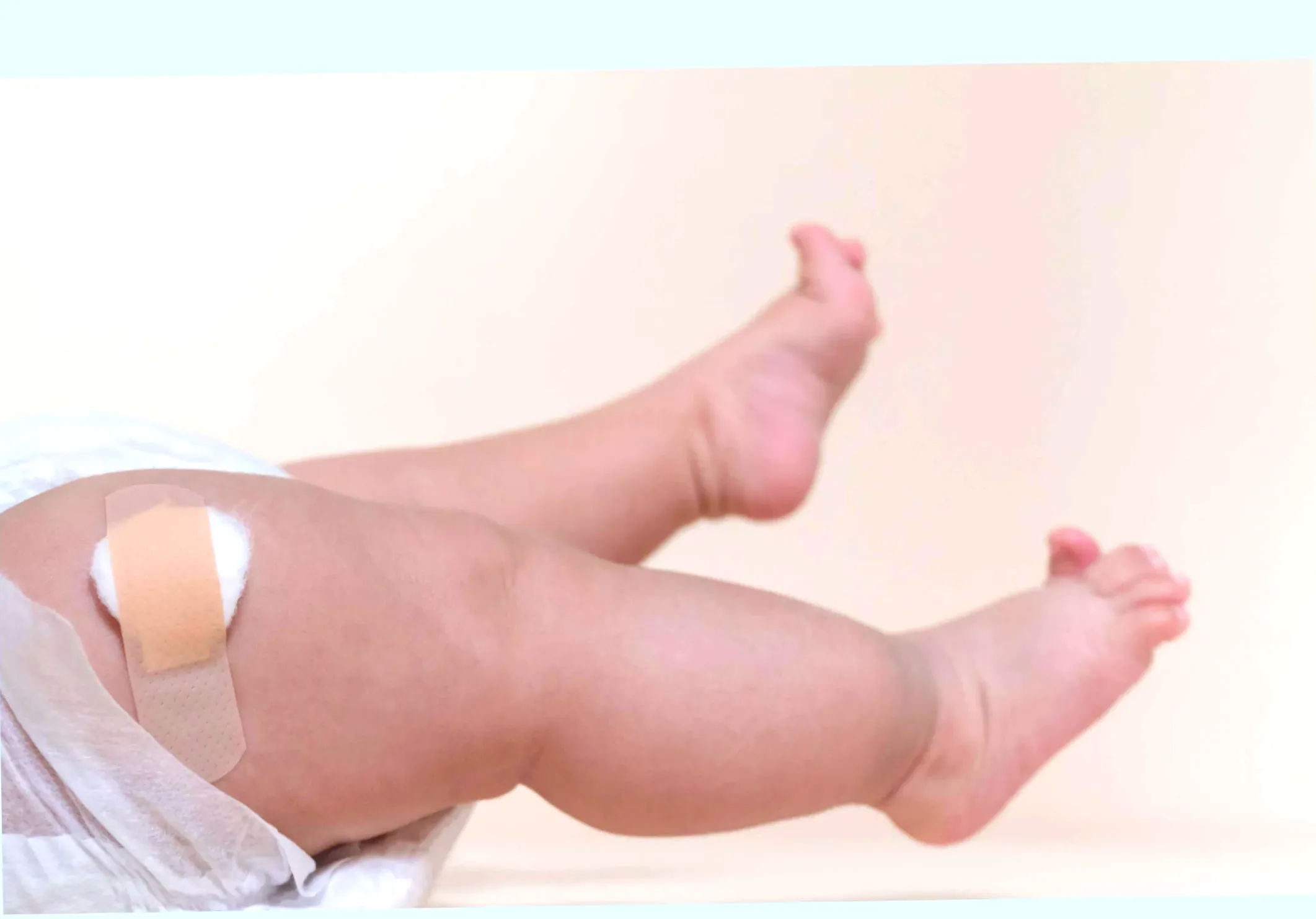
Summary: The hepatitis B vaccine is highly effective, safe, and ideally administered immediately after birth to prevent lifelong liver infections. Delaying this vaccination can leave infants vulnerable during a crucial period, increasing the risk of severe health issues later. Experts emphasize that timely vaccination provides children the strongest long-term protection.
After a nearly two-day session, the Centers for Disease Control and Preventions (CDC) Advisory Committee on Immunization Practices (ACIP) voted 8-3 to change the decades-old guidance recommending that newborns receive the hepatitis B vaccine within 24 hours. The new recommendation suggests delaying the vaccine until two months of age, unless the mother tests positive for hepatitis B. Parents are encouraged to discuss the timing with their healthcare provider.
The ACIP provides vaccination guidelines for all age groups and typically sees its recommendations approved by the CDC director. The American Academy of Pediatrics (AAP) has criticized the proposed delay, warning it could lead to higher infection rates among children. Since 1991, the hepatitis B vaccine has dramatically reduced chronic hepatitis B infections in children and teens by 99%. Pediatricians affirm that the vaccine offers over 95% protection for both children and adults.
Understanding Hepatitis B
Hepatitis B is the most common liver infection worldwide, caused by the hepatitis B virus (HBV). The virus spreads through contact with infected blood or bodily fluids. Infants are most often infected during birth, but exposure can also occur from caregivers shortly after delivery. Many carriers show no symptoms, and the virus can survive on surfaces for weeks. The CDC estimates that half of those infected are unaware of their condition.
The infection can be mild and short-lived, known as acute hepatitis B, or it can result in a lifelong chronic condition. Chronic infection affects roughly 300 million people globally, causing liver damage, liver cancer, and nearly one million deaths annually.
The Vaccine and Its Importance
Over a billion doses of the hepatitis B vaccine have been administered worldwide, making it one of the safest and most effective vaccines. Health organizations, including the AAP and the World Health Organization, recommend it. Vaccinating newborns prevents infections from mothers who may unknowingly carry the virus and has significantly reduced pediatric liver cancer rates.
Experts emphasize that delaying the vaccine reduces the opportunity to prevent infections during the newborn period. Without the early dose, infants are at risk for chronic hepatitis B and serious liver conditions later in life. The birth dose acts as a crucial safeguard against gaps in prenatal screening or inconsistent follow-up.
Hepatitis B Vaccination Schedule
- First dose: within 24 hours of birth
- Second dose: 12 months of age
- Third dose: 618 months of age
Delaying the vaccine can disrupt the full immunization schedule, potentially reducing access for families with limited resources and affecting insurance coverage. Staying on schedule ensures optimal protection at the most effective time.
Common Misconceptions About Delaying the Vaccine
Some parents consider postponing vaccination due to concerns about immune system overload or unproven links to autism. Medical professionals emphasize that infants' immune systems are capable of handling vaccines immediately after birth, and scientific evidence consistently shows no connection between vaccines and autism.
Experts conclude that there is no medical justification for delaying the hepatitis B vaccine. It is safe, highly effective, and provides lifelong protection. Success in vaccination has reduced public fear of the disease, leaving only the minimal perceived risks of immunization as a concern for some parents.
Author: Gavin Porter
Share

Who is eligible for the hepatitis B vaccine in the US currently?
1 hours ago 3 min read US

Cassidy urges CDC director to refuse hepatitis B recommendations from vaccine panel
2 hours ago 2 min read HEALTH

Committee votes to eliminate mandatory hepatitis B vaccinations for newborns despite opposition from children's health experts
3 hours ago 4 min read WORLD

Federal panel decides to discontinue Hepatitis B vaccinations for newborns
3 hours ago 3 min read POLITICS

US panel votes to stop recommending universal hepatitis B vaccine for newborns
3 hours ago 3 min read POLITICS

CDC updates recommendation for newborn hepatitis B vaccination
3 hours ago 2 min read BUSINESS

CDC panel votes to revoke universal recommendation for hepatitis B birth dose vaccine
3 hours ago 2 min read BUSINESS

Panel suggests CDC stop routine hepatitis B vaccinations for newborns
4 hours ago 4 min read HEALTH

CDC Panel Delays Hepatitis B Shot for Most Babies After Voting Skeptically on Vaccines
5 hours ago 2 min read HEALTH

Vaccine advisory panel decides to stop universal newborn hep B shot in significant change
5 hours ago 4 min read BUSINESS