Lawmakers in Washington have less than a month to act before health insurance costs are set to increase dramatically for millions of Americans. However, the chances of reaching a bipartisan agreement are rapidly diminishing, with representatives from both parties expressing doubts that a workable solution will emerge in time.
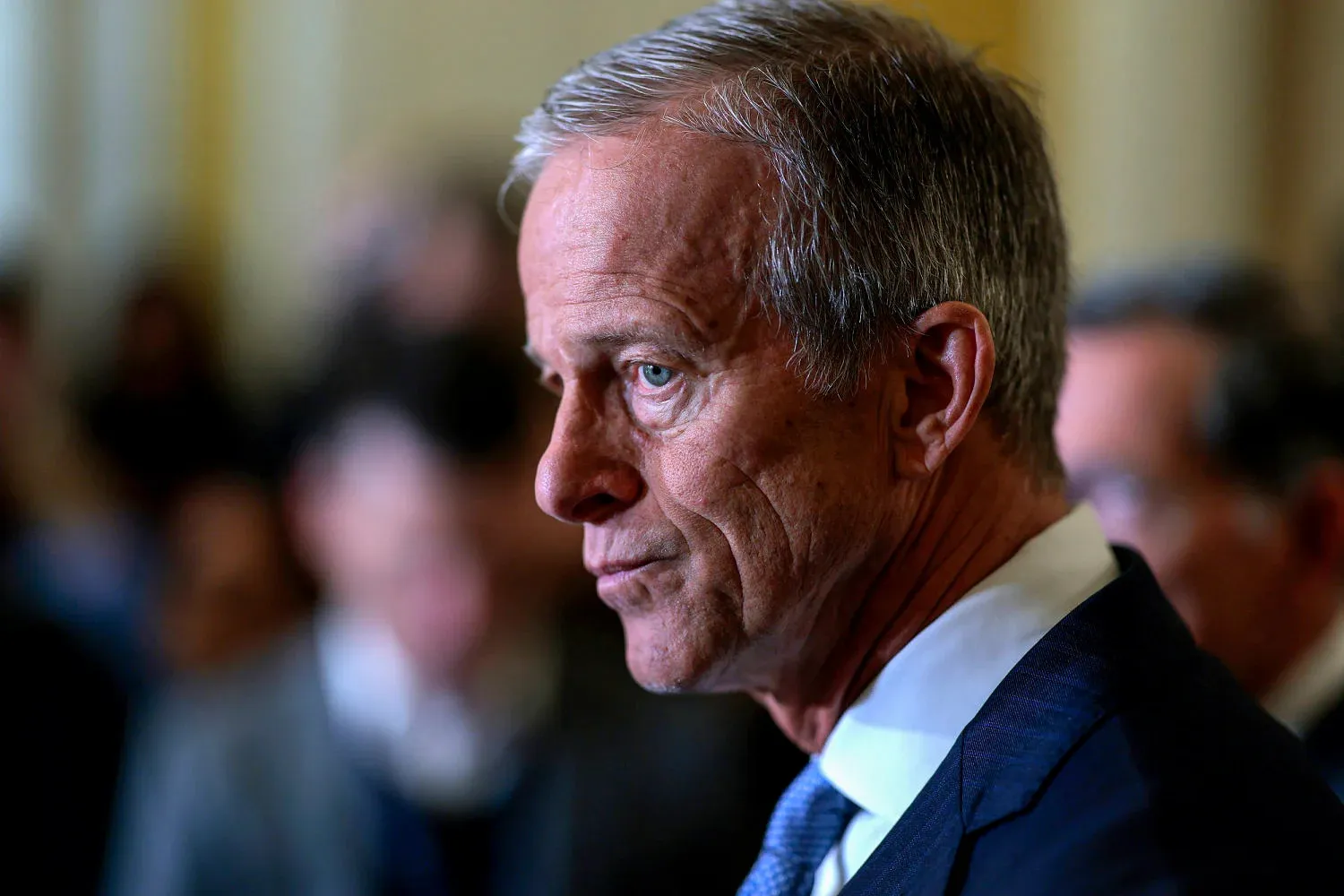
Senator Gary Peters of Michigan acknowledged the grim outlook, noting that discussions are ongoing but progress remains slow and uncertain. He was part of a group of senators who helped end the recent government shutdown after receiving assurances that a healthcare bill would be brought to a vote. While Senate Majority Leader John Thune has repeated that commitment, the political reality suggests it will be extremely difficult to gather the required 60 votes to pass a bill.
The core of the dispute involves approximately $35 billion in subsidies tied to the Affordable Care Act. These funds, introduced during the COVID-19 pandemic, were designed to keep premium costs for mid-tier plans below 8.5% of a persons income. If Congress fails to act, these subsidies will expire, causing many families to face potentially doubled or even tripled insurance payments starting in early January.
Inside party discussions, Republicans have received briefings from key committee leaders, but clear agreement on a path forward is still missing. While Democrats are calling for a simple extension of the current subsidies, Republican leaders have rejected that option and have not yet presented a formal alternative. Some GOP members want the subsidies eliminated entirely.
Democratic leaders, including Senate Minority Leader Chuck Schumer, have criticized Republicans for lacking a coherent plan, but they have also kept quiet about the specific proposal they intend to bring to the Senate floor. Schumer emphasized that Democrats are prioritizing efforts to lower healthcare costs for Americans.
Political analysts suggest that if lawmakers fail to act, the issue will become a significant factor in the upcoming 2026 midterm elections. With the holiday recess approaching, many in Congress believe time is running out. Senator Steve Daines described reaching the necessary vote threshold as a major challenge, especially given the complexity of the healthcare system and the limited time available.
Some senators believe the next opportunity to address the issue may come in late January, when Congress must also consider funding the federal government. By then, higher insurance premiums will already be in effect, making any relief efforts less meaningful for consumers who are already paying more.
Another major obstacle in the negotiations relates to abortion policy. Republicans are pushing for stricter limitations tied to any healthcare funding, while Democrats view such conditions as unacceptable. The dispute involves the long-standing Hyde Amendment and whether existing rules should be reinforced to block indirect funding for abortion services.
Even if the Senate manages to pass a compromise, the measure would still face an uphill battle in the House of Representatives. Committee leaders say internal discussions are ongoing, but consensus has yet to form. Some Republicans have proposed ending zero-cost plans and requiring every enrollee to contribute something toward their premium, as well as eliminating automatic policy renewals.
Democrats have signaled a willingness to negotiate on eligibility limits and minimum payments, but they maintain that current abortion-related restrictions are already sufficient. Advocacy groups on both sides continue to pressure lawmakers, making concessions even more difficult.
House Speaker Mike Johnson has said his party is developing a plan to reduce costs while improving access and quality of care. Meanwhile, Democratic leaders have warned that once premiums increase, the financial impact on families cannot be easily reversed.
Representative Don Bacon, whose district is politically competitive, argued that allowing the subsidies to expire without a replacement would be a serious mistake for the Republican Party. He added that recent polling data suggests voters are growing more critical, particularly regarding healthcare issues.
For now, Americans face growing uncertainty as Congress races against the clock with no clear resolution in sight.