

Increasing Anxiety Among Moderate House GOP Members Over ObamaCare: 'This is Foolishness'
- Last update: 1 hours ago
- 3 min read
- 385 Views
- POLITICS
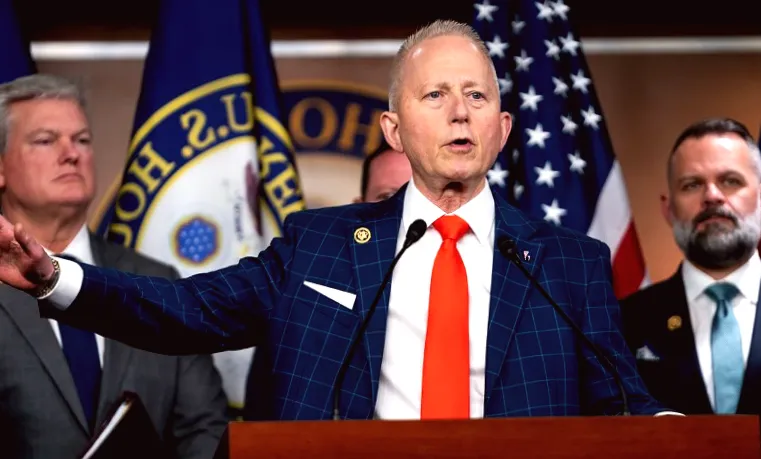
Moderate Republicans in the House are expressing growing frustration as competing health care proposals stall, leaving fewer than ten working days before millions of Americans could face higher insurance premiums. A vocal group of GOP centrists is urging party leaders to extend ObamaCare tax credits scheduled to expire at year-end, but they face strong opposition from Speaker Mike Johnson (R-La.) and a larger faction of conservative colleagues pushing to end the subsidies entirely.
Moderates warn that failure to act could jeopardize the GOPs slim majority in next years midterm elections and worsen out-of-pocket costs for over 20 million Americans. Entering a tight midterm with 20 million people hurting is a recipe for disaster, said Rep. Jeff Van Drew (R-N.J.). To do nothing is sheer buffoonery. I want to remain in the majority, and this makes it much harder in competitive districts.
Several Republican proposals are circulating, but consensus remains elusive. Some plans would extend subsidies for one year, others for two, with varying restrictions. Abortion policy remains a major hurdle to compromise. Rep. Jen Kiggans (R-Va.) has introduced both one- and two-year extensions. Reps. Don Bacon (Neb.) and Jeff Hurd (Colo.) support a two-year plan, while Rep. Brian Fitzpatrick (R-Pa.) is finalizing his own two-year proposal. None has yet secured a commitment for a House vote, a point of concern for moderates.
Van Drew emphasized the urgency: The specifics of each plan matter less than getting it done. I dislike ObamaCareits flawed and corruptbut in the short term, it must be addressed immediately.
The White House proposed a two-year extension paired with reforms akin to the House ideas, but the framework was withdrawn after GOP criticism. Speaker Johnson further dampened momentum, announcing that GOP leadership would present a plan by year-end, though it remains unclear if it will include subsidy extensions. Majority Leader Steve Scalise (R-La.) confirmed that a bipartisan framework introduced by Kiggans and Rep. Josh Gottheimer (D-N.J.) would not be part of that package.
Rep. Kevin Kiley (R-Calif.) warned it would be a mistake not to vote on the expiring subsidies. There is enough common ground in the proposals to reach a deal. If people face higher costs, Congress will be held accountable. Centrists are exploring bipartisan support for extensions with conservative-friendly modifications like income caps and elimination of plans without premiums.
Without congressional action, premiums could rise for tens of millions starting Jan. 1. Any solution requires 60 votes in the Senate, and House moderates hope one of their plans could form the basis of a compromise. Senate Democrats have proposed a clean three-year extension, aligned with House Democrats, but it faces little chance of Republican backing because it lacks GOP-preferred reforms.
Moderates such as Bacon and Fitzpatrick are pursuing one- or two-year extensions with targeted adjustments for income. Fitzpatricks plan already has some bipartisan support and includes input from both parties in the House, Senate, and White House. As a last resort, Fitzpatrick may pursue a discharge petition to force a vote if leadership stalls.
Despite numerous competing proposals, centrists stress the need for temporary relief to prevent premium shocks while longer-term solutions are developed. Bacon acknowledged conservative resistance but said helping Americans facing rising premiums is politically necessary outside heavily Republican districts. We need something temporary while we work toward a better solution, he said.
Author: Harper Simmons
Share

House GOP leaders are preparing the health bill for next week.
1 hours ago 2 min read POLITICS

Senate Republican suggests compromise on Obamacare subsidies
4 hours ago 1 min read POLITICS
Live streaming: House Democrats focus on Trump's healthcare and affordability
21 hours ago 1 min read POLITICS

The Three Most Foolish Republican Failures on Health Care
1 days ago 3 min read WORLD

ACA subsidies in jeopardy as Congress struggles to reach agreement
1 days ago 2 min read POLITICS
Senate not expected to reach health care agreement before crucial vote
2 days ago 2 min read POLITICS

Trump and lawmakers must act quickly to address rising health care costs before it's too late
2 days ago 3 min read BUSINESS
Chances decreasing for renewal of health care subsidies, putting millions at risk of premium spikes
2 days ago 3 min read POLITICS

Republicans are seeking a health care plan without a clear idea of its contents.
2 days ago 4 min read POLITICS

Congress losing hope for health care deal before January premium hike
2 days ago 4 min read POLITICS