

Justice Department escalates legal action against states that have rejected its requests for voter information
- Last update: 2 days ago
- 3 min read
- 13 Views
- POLITICS
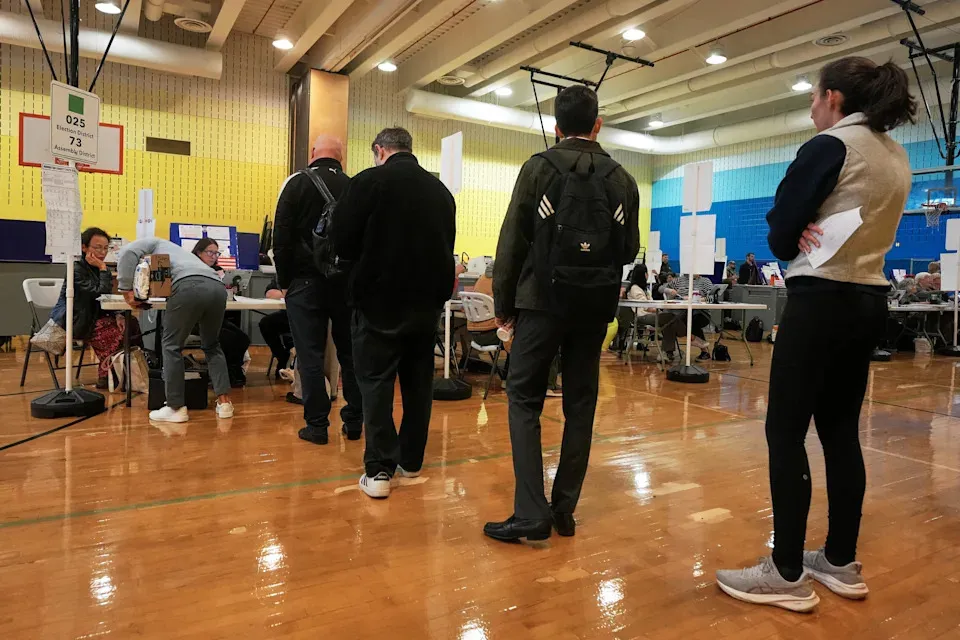
BOSTON On Tuesday, the U.S. Justice Department filed lawsuits against six additional states as part of its ongoing effort to access comprehensive voter information and related election records. The states targeted in the new legal actions are Delaware, Maryland, New Mexico, Rhode Island, Vermont, and Washington, with the department citing their failure to provide complete statewide voter registration lists.
The department frames these lawsuits as necessary to protect election integrity, but Democratic officials have expressed concerns regarding the handling and potential misuse of sensitive voter information, as well as whether privacy laws will be respected.
With Tuesdays filings, the total number of states sued by the Justice Department in this initiative reaches at least 14. Federal election laws guarantee that every citizen can vote freely and fairly, stated Assistant Attorney General Harmeet Dhillon of the Civil Rights Division. States that resist compliance with federal voting regulations hinder our mission to maintain accurate voter lists, ensure equal weight for every vote, and preserve public confidence in election outcomes.
According to an Associated Press count, the department has sought voter data from at least 26 states. This effort has raised alarms among election officials, who note that states hold constitutional authority over elections and federal law limits sharing of individual voter information.
The requests include general inquiries about how states maintain compliance with federal voting requirements, such as identifying duplicate registrations or removing deceased or ineligible voters. Some questions were tailored to specific states and highlighted data points or discrepancies found in a recent U.S. Election Assistance Commission survey.
While some states have provided redacted voter lists, which are often publicly available, the Justice Department has also requested versions containing personally identifiable information, including names, dates of birth, addresses, and drivers license or partial Social Security numbers.
Rhode Island Attorney General Peter Neronha criticized the lawsuit, calling it an example of the weaponization of the Department of Justice to advance the Trump administrations unlawful agenda. He added, We support and will defend the secretary, and we expect to prevail, as lawsuits concerning lawful state conduct rarely succeed. Yet, it is unsurprising that this administration misunderstands lawful behavior.
These actions occur amid former President Donald Trumps ongoing investigations into the 2020 election results and efforts to influence the 2026 midterms. Concurrently, voting rights organizations have filed lawsuits, warning that updates to federal citizenship verification tools could lead to the improper removal of voters from registration lists.
Last month, ten Democratic secretaries of state formally requested additional details from the Trump administration about its broad push to obtain statewide voter registration lists, citing concerns that federal agencies may have provided misleading information and could be entering sensitive data into systems used for verifying U.S. citizenship.
Author: Sophia Brooks
Share

Innocent Afghans Face Broad Punishment After Deadly Attack
1 minutes ago 3 min read POLITICS

Implications for Maine from Superfund cuts and delays in PFAS cleanup
2 minutes ago 3 min read POLITICS

Patel accuses Biden of withholding evidence in January 6 pipe bomb case
3 minutes ago 2 min read POLITICS
Pete Hegseth Proudly Talks About Bombing Another Boat Amid Growing Outrage
5 minutes ago 2 min read POLITICS

Exploring the political factors behind Netanyahu's pardon campaign
8 minutes ago 4 min read POLITICS

Opinion - Trump's quotes that are perfect for Democratic midterm election ads
10 minutes ago 2 min read POLITICS

Nigeria affected by repercussions from the US
11 minutes ago 2 min read POLITICS

Trump Engages New Architect for White House Ballroom Following Disagreements About Its Design
12 minutes ago 2 min read POLITICS

CNN’s Kaitlan Collins Exposes ‘Major Blunder’ for Trump Following Latest Revenge Case Setback
14 minutes ago 2 min read POLITICS

Supreme Court Greenlights Texas Voting Map and Parents Protest School iPads: Morning Rundown
16 minutes ago 3 min read POLITICS