

Trump's efforts for health care plan hit roadblock as subsidy expiration approaches.
- Last update: 2 days ago
- 3 min read
- 29 Views
- POLITICS
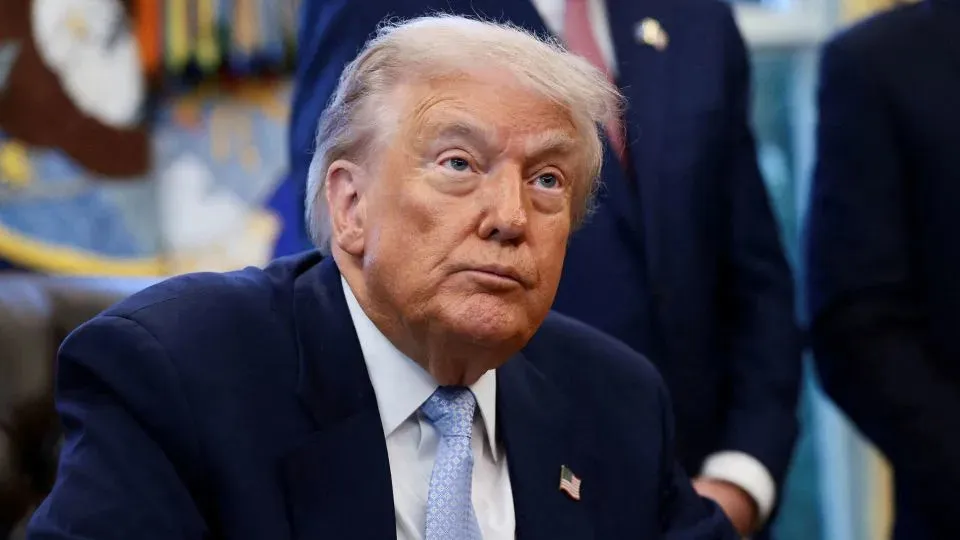
Efforts by President Donald Trump to introduce a new health care initiative have hit a roadblock due to disagreements among Republican lawmakers regarding the continuation of enhanced Affordable Care Act (ACA) subsidies, according to sources familiar with the matter.
The internal conflict has slowed the administrations plans to prevent a significant increase in health insurance premiums, casting doubt on whether a proposal will be ready in time for a Senate vote potentially scheduled for next week. The vote concerns ACA subsidies that support approximately 22 million Americans.
Initially, the White House planned to unveil a proposal that combined subsidy extensions with conservative reforms designed to reduce their reach. However, the plan was abandoned following strong opposition from Republican lawmakers who were caught off guard and disagreed with key elements.
Officials working to revise the plan now appear unlikely to finalize it this week, raising the likelihood that Senate Republicans may not have a Trump-backed alternative to counter Democratic efforts for a straightforward extension of the subsidies before funding expires at the end of the year.
President Trump has urged aides to continue developing a health care plan, concerned that voters may hold him responsible for rising premiums if no alternative is presented. There remains a possibility for a last-minute breakthrough, sources said. Meanwhile, Republicans in Congress are quietly pressing the administration to adopt a strategy that prevents steep price increases in 2026, a critical election year.
GOP Rep. Nicole Malliotakis of New York emphasized the need for a temporary extension while noting that broader reform of the ACA subsidy system is still required. We have to do our best to protect American people and consumers, she stated.
If the current subsidies lapse, premiums are expected to more than double next year, according to the nonpartisan Kaiser Family Foundation, and an additional 2 million Americans could lose coverage, according to the Congressional Budget Office.
The administrations early setbacks highlight the challenge of achieving consensus within the GOP on any major health care plan, particularly one that could also secure Democratic support. Senate Republicans had previously agreed to vote on extending the ACA subsidies as part of a government funding deal, but many remain opposed to a simple continuation.
President Trump has opposed a basic extension, favoring a plan that would deliver federal funds directly to consumers rather than insurance companies. The original proposal would have extended subsidies for two years, with income limits and minimum premiums, while incentivizing lower-tier plan selections through health savings accounts. Yet many conservatives rejected continuing a law they have long opposed.
With roughly 22 million people relying on the enhanced tax credits, which are popular among voters, some Trump advisers and Republican lawmakers fear political fallout if subsidies expire, as premiums would rise amid growing public concern over living costs.
Rep. Nick LaLota of New York stressed the urgency of action to prevent price hikes while acknowledging the need for systemic reform. He noted that Congress often acts only near deadlines, creating intense pressure.
Administration officials have been exploring alternatives to address lawmakers concerns, including potential new programs to maintain funding, while also considering the inclusion of Hyde protections restricting federal abortion fundinga contentious issue that complicates bipartisan support.
As the Senate vote approaches, the chance of reaching an agreement diminishes. Some Republicans, including Malliotakis, have been negotiating privately with Democrats to find a bipartisan solution. This is not a problem that Republicans created, and so Republicans on their own will not be able to resolve it, she said. This needs to be a bipartisan solution.
Author: Sophia Brooks
Share

Lawmakers briefed on alarming double-tap strike
0 seconds ago 3 min read POLITICS

Innocent Afghans Face Broad Punishment After Deadly Attack
2 minutes ago 3 min read POLITICS

Implications for Maine from Superfund cuts and delays in PFAS cleanup
2 minutes ago 3 min read POLITICS

Patel accuses Biden of withholding evidence in January 6 pipe bomb case
4 minutes ago 2 min read POLITICS
Pete Hegseth Proudly Talks About Bombing Another Boat Amid Growing Outrage
6 minutes ago 2 min read POLITICS

Exploring the political factors behind Netanyahu's pardon campaign
9 minutes ago 4 min read POLITICS

Opinion - Trump's quotes that are perfect for Democratic midterm election ads
11 minutes ago 2 min read POLITICS

Nigeria affected by repercussions from the US
11 minutes ago 2 min read POLITICS

Trump Engages New Architect for White House Ballroom Following Disagreements About Its Design
13 minutes ago 2 min read POLITICS

CNN’s Kaitlan Collins Exposes ‘Major Blunder’ for Trump Following Latest Revenge Case Setback
15 minutes ago 2 min read POLITICS