

Trump’s health policies threaten fight against deadly fungus in Arizona
- Last update: 1 hours ago
- 4 min read
- 504 Views
- POLITICS
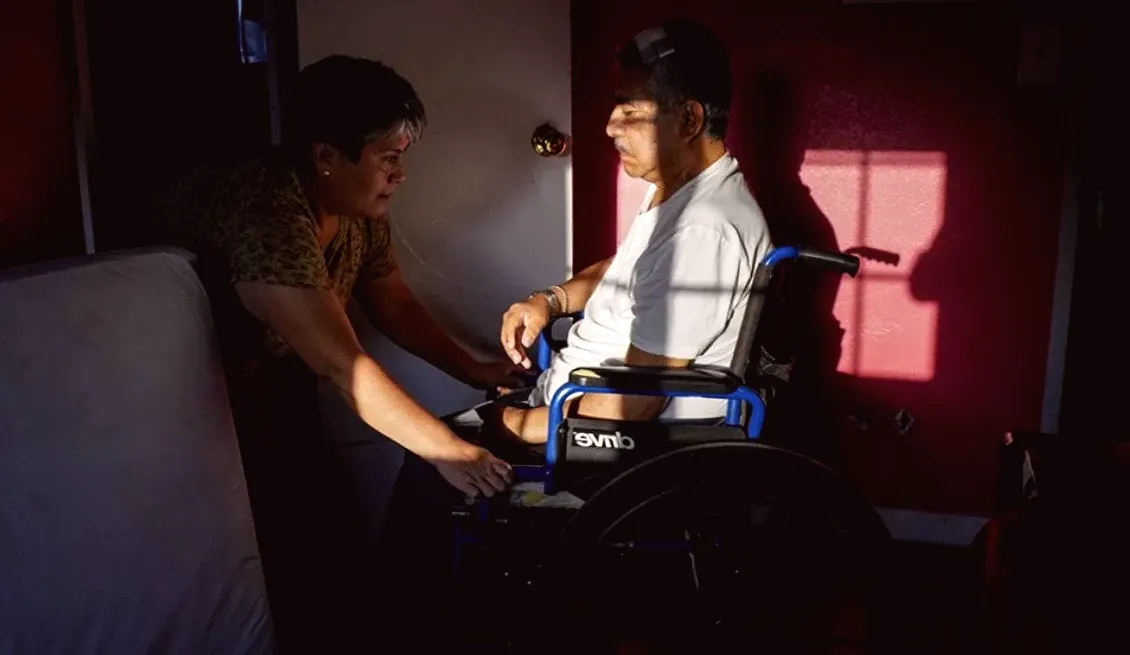
In a modest office at a Phoenix health clinic, a 79-year-old physician sits with his legs tucked under a table, his hands resting calmly on his lap. His phone rings. Thats my colleague, he says. On the other end is a doctor from Tucson, worried about a patient hospitalized repeatedly for a severe respiratory infection, whose condition includes coughing blood, hair loss, and heart complications. The doctor suspects her medication may be worsening her symptoms, but insurance refuses to cover a safer alternative. Dr. John Galgiani, a leading expert on the fungal disease in question, quickly advises changing the medication and providing evidence to the insurer if the patient improves.
Though the conversation may seem routine, the patient is battling coccidioidomycosis, a potentially fatal fungal infection also known as valley fever. Doctors have sought treatments since the late 19th century, when cases of mysterious skin lesions appeared in Argentina and San Francisco, eventually causing death. It took decades to connect these early reports to the fungal pathogen known as coccidioides, which thrives in the topsoil of the Western U.S., particularly during cycles of wet winters and dry, hot summers.
Most exposed to the fungus remain symptom-free, but approximately 40% develop fatigue, cough, rashes, or severe complications affecting vital organs, with a mortality rate of up to 25% in these cases. Valley fever is especially prevalent in Arizona, where cases have surged, exceeding 15,000 in 2024a 37% increase over the previous year. California follows closely with record cases as well. Climate change, through intensified monsoon rainfall followed by drought, appears to be amplifying the funguss spread.
Dr. Galgiani has spent decades preparing for these challenges. Since 1996, he has led the Valley Fever Center for Excellence at the University of Arizona, coordinating research, public health collaborations, and clinical training to combat the disease. His team has developed a potential vaccine for dogs, surveillance systems using weather data, and programs training physicians to recognize valley fever early, particularly in urgent care clinics in Phoenix and Tucson. However, these efforts are increasingly threatened by federal health policy changes, including deep cuts to research funding and public health infrastructure under the Trump administration.
Arizona has historically underfunded public health, spending just $28 per person in 2023less than half the national average. State funding for valley fever surveillance has been minimal, and while the Arizona Board of Regents has provided support for research projects, large-scale prevention measures remain limited. Patients often face delayed diagnoses; many initially receive antibiotics instead of antifungals, prolonging illness and increasing costs. Programs implemented at Banner Health clinics have improved testing rates but cover only a small fraction of the states population.
The development of a human valley fever vaccine is underway, adapting the canine vaccine created by Galgianis team and Anivive Lifesciences. While initial trials show near-total protection in dogs, human adaptation could take years and hundreds of millions of dollars. Federal uncertainty and cutbacks in NIH funding and broader vaccine research further complicate progress. Experts fear these policy shifts could stall the fight against valley fever, leaving Arizona and other endemic regions vulnerable.
The implications extend beyond Arizona. Climate change is driving a rise in fungal infections globally, with pathogens like Candida auris showing resistance to multiple antifungal drugs. A successful valley fever vaccine could pave the way for similar preventive measures against other dangerous fungal diseases, potentially transforming global public health responses.
For Arizonans, the battle against valley fever is both immediate and long-term, combining medical innovation, public awareness, and environmental vigilance. Without sustained support at both state and federal levels, efforts to curb this deadly fungus risk being undermined just as progress nears fruition.
Author: Olivia Parker
Share

Three lesbian attorneys general fighting against Trumpism in court raise concerns about the threat to marriage equality.
53 seconds ago 3 min read POLITICS

FIFA could potentially award Trump a peace prize, even though it's not the Nobel
2 minutes ago 3 min read POLITICS

FIFA awards Trump a fictional peace prize to silence him on Nobel
3 minutes ago 1 min read POLITICS

Unions call on US judge to halt 1,300 State Department layoffs
3 minutes ago 2 min read POLITICS

The 8 wars that President Trump claims to have ended
8 minutes ago 3 min read POLITICS

The Supreme Court Will Eliminate Independent Agencies
12 minutes ago 3 min read POLITICS

Court stops Trump administration from stopping grants for school mental health workers
13 minutes ago 2 min read POLITICS

The Department of Defense Renaming Costs Will Surprise You
13 minutes ago 2 min read POLITICS

New poll shows young people are turning against Trump
14 minutes ago 2 min read POLITICS

Trump awarded the first FIFA peace prize
15 minutes ago 3 min read POLITICS