

Trump's uncompromising threats indicate no intention of backing down from efforts to overthrow Maduro's regime
- Last update: 3 days ago
- 3 min read
- 35 Views
- POLITICS
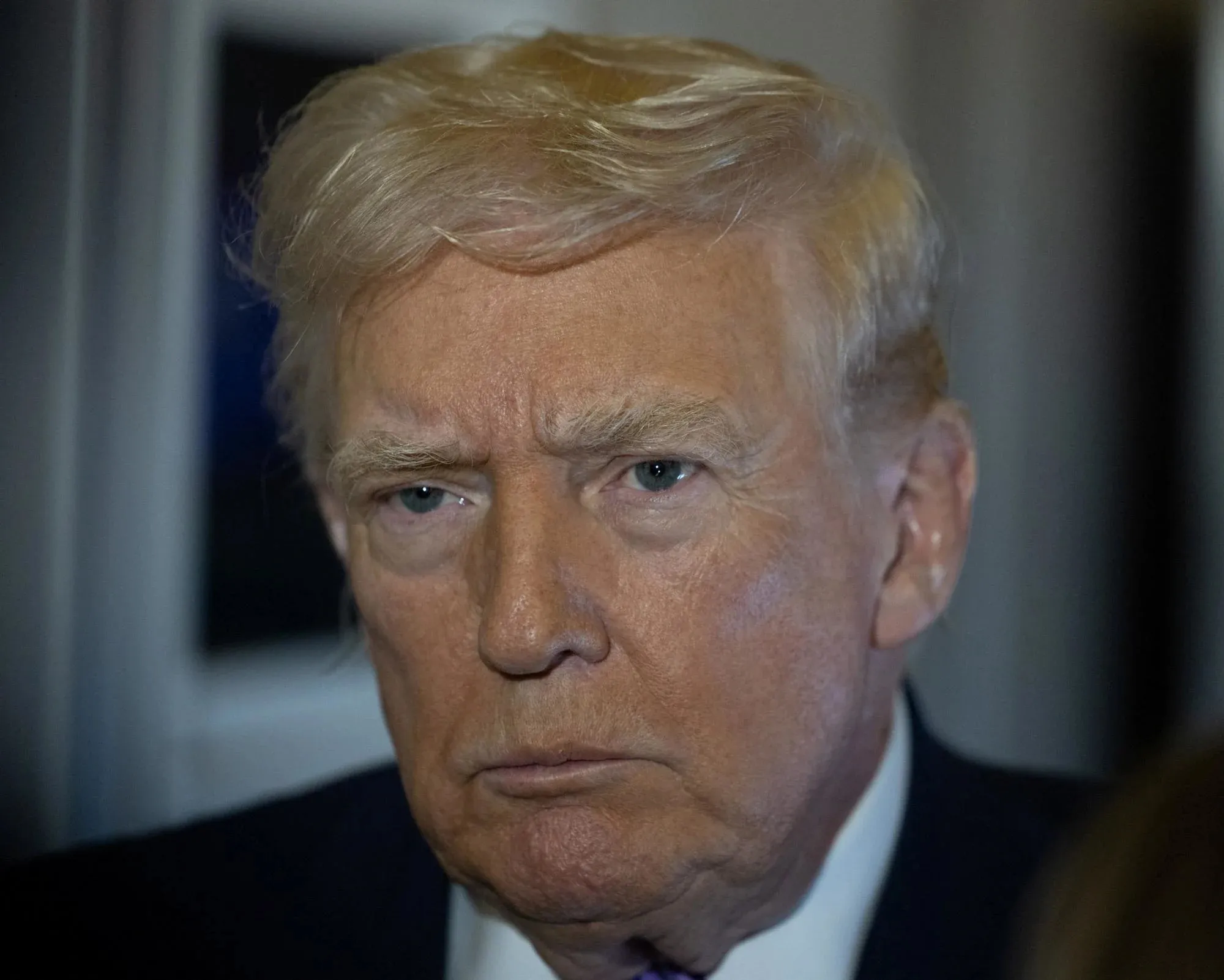
After weeks of escalating threats, tense rhetoric, and a U.S. military buildup in Latin America reminiscent of the Cuban Missile Crisis in 1962, the situation culminated on November 21 with a phone call from Donald Trump to Nicols Maduro of Venezuela. According to Trump, the conversation was less about negotiating a compromise and more about delivering a stark ultimatum: You can save yourself and those close to you, but you must leave the country immediately. Trump has long labeled Maduro a narco-terrorist and accused him, without evidence, of sending the most violent criminals from Venezuela to the U.S.
This disclosure has reinforced the perception that Trump remains committed to removing Maduro from power. Yet, just months ago, the possibility of diplomacy existed. Richard Grenell, Trumps special envoy, appeared to make progress by arranging return flights for deported migrants and negotiating the release of ten U.S. citizens and legal residents detained in Venezuela. Maduro even hinted at further cooperation, offering U.S. access to Venezuelas oil and mineral resources.
Instead of continuing on a path of negotiation, Trump, whose campaign emphasized reducing foreign entanglements, now seems poised to escalate tensions in the Western Hemisphere. Grenells pragmatic approach was overtaken by the more aggressive stance of Marco Rubio, Secretary of State, and acting National Security Advisor, who has consistently advocated a hardline policy against Maduro and his predecessor, Hugo Chvez. Observers suggest that Trump may be influenced by his most recent briefing, presumably from Rubio, though some argue that Trump himself has long been one of Maduros staunchest critics.
Ryan Berg, head of the Venezuela initiative at the Center for Strategic and International Studies, noted that Trumps focus on Venezuela is consistent and driven by his broader priorities: drug control, migration, and countering China in the region. Berg warned that Trumps ultimatum could lead to a decapitation strike aimed at eliminating Maduro, with the administration justifying such action on the grounds that Maduro is not seen as a legitimate leader following disputed elections in 2018 and 2024.
While an option exists to offer Maduro safe passage to a third country, potential locations including Qatar, Cuba, and Turkey, there is no guarantee he will accept. Business contacts with Maduro note that leaving the country, even with financial incentives, is not always appealing or safe for leaders in his position.
Steve Ellner, former professor at Universidad de Oriente, highlighted that Trumps phone threat may also reflect Venezuelas military resistance. The armed forces have not yielded to U.S. pressure, and Latin American leaders have expressed opposition, limiting the feasibility of immediate military action. Ellner emphasized that Trump is using intimidation to secure the best possible concessions from Maduro while evaluating whether to pursue direct military intervention. The outcome remains uncertain, but escalation is still a distinct possibility.
Author: Sophia Brooks
Share

Lawmakers briefed on alarming double-tap strike
7 seconds ago 3 min read POLITICS

Innocent Afghans Face Broad Punishment After Deadly Attack
2 minutes ago 3 min read POLITICS

Implications for Maine from Superfund cuts and delays in PFAS cleanup
3 minutes ago 3 min read POLITICS

Patel accuses Biden of withholding evidence in January 6 pipe bomb case
4 minutes ago 2 min read POLITICS
Pete Hegseth Proudly Talks About Bombing Another Boat Amid Growing Outrage
6 minutes ago 2 min read POLITICS

Exploring the political factors behind Netanyahu's pardon campaign
9 minutes ago 4 min read POLITICS
Opinion - Trump's quotes that are perfect for Democratic midterm election ads
11 minutes ago 2 min read POLITICS

Nigeria affected by repercussions from the US
12 minutes ago 2 min read POLITICS
Trump Engages New Architect for White House Ballroom Following Disagreements About Its Design
13 minutes ago 2 min read POLITICS

CNN’s Kaitlan Collins Exposes ‘Major Blunder’ for Trump Following Latest Revenge Case Setback
15 minutes ago 2 min read POLITICS