

Ukraine and Rubio revise Russia's peace proposal
- Last update: 3 days ago
- 3 min read
- 33 Views
- POLITICS
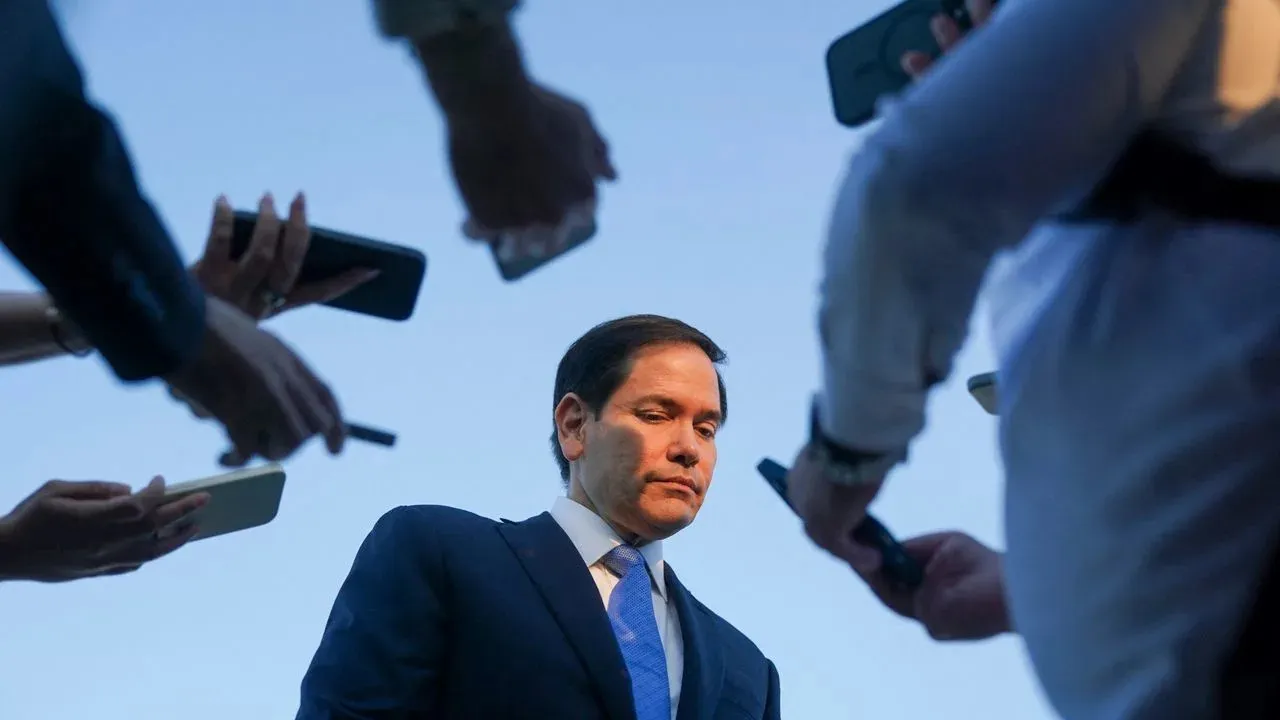
Negotiators from the U.S. and Ukraine have reached a framework for a potential agreement to end the war in Ukraine, following weeks of intense discussions in Geneva. However, Moscows willingness to accept the proposal remains doubtful.
The agreement stems from a substantially altered version of a 28-point peace plan initially developed last week during a confidential meeting involving White House envoy Steve Witkoff, Jared Kushner, and Russian negotiator Kirill Dmitriev. The original plan, once leaked, sparked widespread criticism from Ukrainian and European officials as well as U.S. lawmakers, who described it as heavily favoring Russia with minimal concessions required.
The earlier proposal would have compelled Ukraine to surrender not only areas occupied by Russian forces but also parts of the Donbas region it still controls. Additionally, it suggested reducing and capping Ukraines military, prohibiting NATO membership, and banning NATO peacekeepers on Ukrainian soil. Former President Trump reportedly pressured Ukrainian President Volodymyr Zelensky to accept the plan or risk fighting alone without U.S. support.
The situation shifted when Secretary of State Marco Rubio intervened, meeting with Ukrainian and European negotiators in Geneva to remove nine of the most controversial elements. Rubio described the resulting 19-point framework as promising, leaving territorial boundaries open for further negotiation. Zelensky requested a direct meeting with Trump to discuss the amended plan and advocate against any territorial concessions.
Russian Foreign Minister Sergey Lavrov warned that significant changes to previously discussed understandings between Putin and Trump would create a fundamentally different situation. Observers, such as Nick Catoggio, attributed the confusion to competing factions within the White House, suggesting the original plan essentially reflected Russian demands rather than U.S. policy. Rubio clarified to senators that the initial 28-point plan originated from Russia, not the United States, and worked with Ukrainian and European officials to craft a revised proposal now supported by Zelensky.
Commentators highlighted that the original plan reinforced Ukrainian fears of undue concessions to Russia, while Rubios intervention allowed Ukraine a stronger role in negotiations. The new framework is being praised for creating a more balanced approach that Ukraine can endorse without capitulating to Russian objectives.
Despite these efforts, the prospects for lasting peace remain uncertain. Analysts note that Russia is unlikely to compromise on its core goals, and Zelensky, facing political pressure at home, is expected to resist unfavorable concessions. The broader context includes Putins ongoing military challenges, a struggling Russian economy, and a war that continues to exact a heavy toll in both lives and resources. While time may favor Moscow strategically, its primary aimto weaken Ukraineremains unchanged.
Author: Sophia Brooks
Share

Innocent Afghans Face Broad Punishment After Deadly Attack
1 minutes ago 3 min read POLITICS

Implications for Maine from Superfund cuts and delays in PFAS cleanup
2 minutes ago 3 min read POLITICS

Patel accuses Biden of withholding evidence in January 6 pipe bomb case
3 minutes ago 2 min read POLITICS
Pete Hegseth Proudly Talks About Bombing Another Boat Amid Growing Outrage
5 minutes ago 2 min read POLITICS

Exploring the political factors behind Netanyahu's pardon campaign
9 minutes ago 4 min read POLITICS
Opinion - Trump's quotes that are perfect for Democratic midterm election ads
10 minutes ago 2 min read POLITICS

Nigeria affected by repercussions from the US
11 minutes ago 2 min read POLITICS

Trump Engages New Architect for White House Ballroom Following Disagreements About Its Design
12 minutes ago 2 min read POLITICS

CNN’s Kaitlan Collins Exposes ‘Major Blunder’ for Trump Following Latest Revenge Case Setback
15 minutes ago 2 min read POLITICS

Supreme Court Greenlights Texas Voting Map and Parents Protest School iPads: Morning Rundown
17 minutes ago 3 min read POLITICS