

An airport hangar, large sums of money, and 'the best job in America': LSU successfully entices Lane Kiffin away from Ole Miss
- Last update: 3 days ago
- 3 min read
- 19 Views
- SPORTS
By Ross Dellenger, Senior College Football Reporter
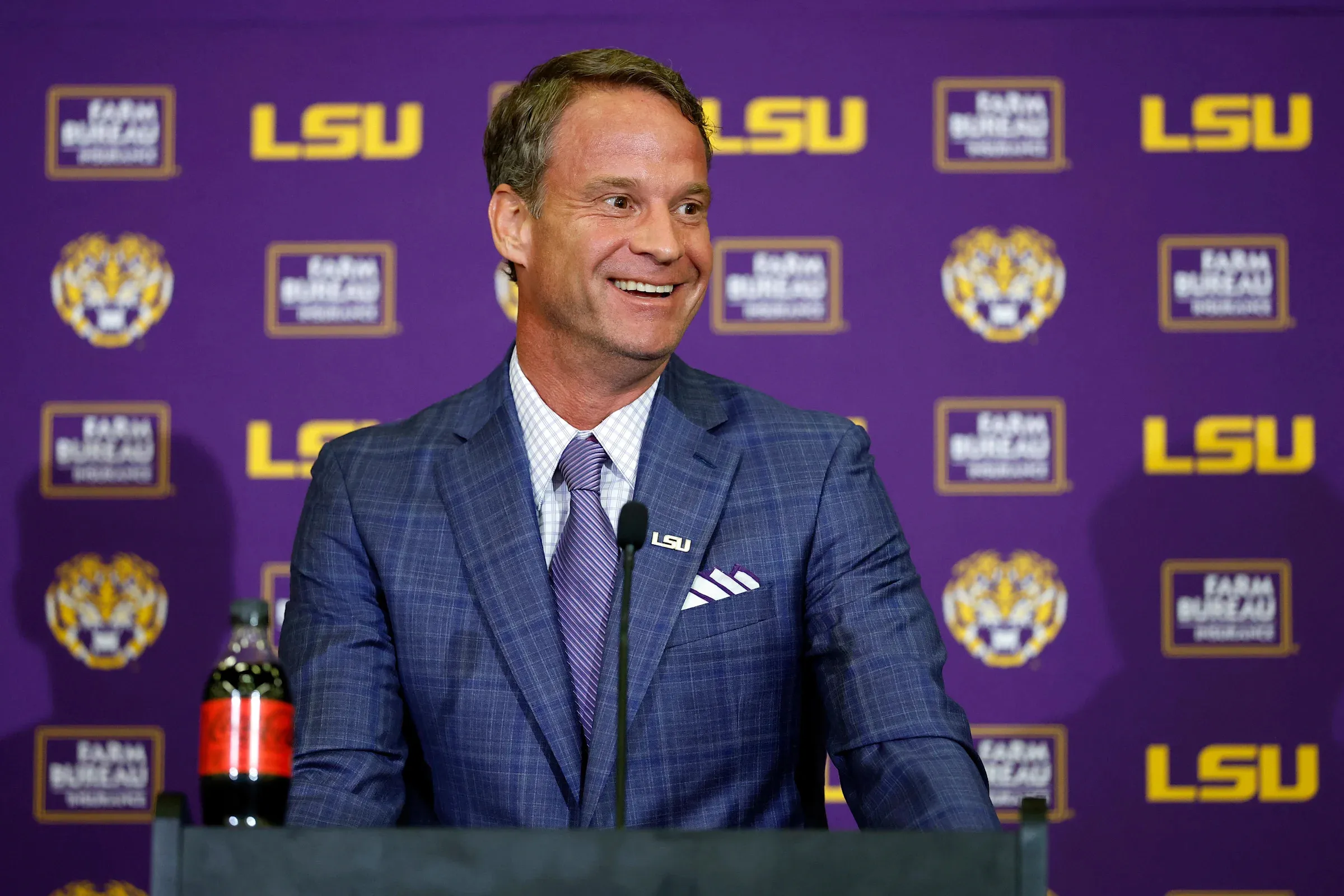
Baton Rouge, La. Some of the most significant negotiations in college football history occurred in an unlikely setting: an airport hangar. Following LSUs game at Oklahoma, university officials, returning via private jet, found themselves cut off from communication for 90 minutes, just as Lane Kiffins agent attempted to reach them.
After Kiffin had disclosed to Ole Miss administrators his intention to depart, LSUs athletic director Verge Ausberry and his team rushed to a rarely used hangar at Baton Rouge airport, owned by a top donor. Inside a secluded conference room, LSU formalized their pursuit of Kiffin, turning weeks of speculation and confidence into a concrete agreement.
Within 36 hours, Kiffin, a polarizing offensive mind, accepted his sixth head coaching role in a celebration at LSUs stadium club level. The event featured cheers, chants of "Geaux Tigers," and Kiffin adopting a playful Cajun accent. His image appeared on the stadium jumbotron with a photoshopped LSU visor atop his familiar white hoodie, while the conversation focused immediately on championships and restoring LSUs dominance in college football.
Ausberry emphasized that LSU wasnt offering Kiffin just wins, but opportunities to secure championships. Advisers, including former LSU coach Nick Saban and ex-USC coach Pete Carroll, reportedly urged Kiffin to seize the Baton Rouge position, calling it the best job in America and highlighting LSUs resources. Carroll even relayed that Kiffins late father would have endorsed the move.
Kiffin recognized the magnitude of LSU football when he arrived to greet donors, political leaders, and university executives at the airport hangar. Louisianas deep-rooted passion for football, combined with its oil and seafood wealth, supports LSUs program in ways few states can match.
Financial incentives were significant: a $13 million annual contract with 80% guaranteed, a roster budget exceeding $25 million, and staff salaries including buyouts for Ole Miss personnel. LSU also agreed to cover Kiffins postseason bonuses linked to Ole Miss playoff performance. The school will manage multiple high-profile coach payments concurrently, underscoring the scale of investment in Kiffin.
LSU President Wade Rousse declared the university fully committed to restoring a championship culture at Tiger Stadium. Louisiana Governor Jeff Landry remained in a background role, despite previously critiquing high-priced contracts, ultimately endorsing the arrangement. Negotiations revealed that Kiffin prioritized player support and NIL opportunities over his own compensation, satisfied by the programs $1315 million revenue share and over-the-cap NIL plans.
Kiffin left a playoff-bound Ole Miss team to pursue what he saw as a greater chance at national success with LSU, bringing multiple staff members along and leaving behind an 11-1 team ranked seventh nationally. He described the decision as extremely difficult, having sought last-minute meetings with Ole Miss leadership to reconsider his departure.
Addressing his move publicly, Kiffin expressed hope that Ole Miss fans remember his six-year tenure fondly. He recounted tension during his departure, including confrontations on the road and restrictions on saying goodbye to players. He acknowledged the intensity of SEC passion, framing it as part of the experience rather than resentment.
Looking ahead, LSU will face Ole Miss in Oxford next season, a matchup that promises high stakes following Kiffins controversial transition.
Author: Sophia Brooks
Share
NFL news: Justin Herbert undergoes hand surgery, Sauce Gardner may have calf strain
3 days ago 3 min read SPORTS

Fantasy Football Waiver Wire: Who to Drop for Week 14 Pickups
3 days ago 2 min read SPORTS
Michigan State officially hires Pat Fitzgerald for football team
3 days ago 3 min read SPORTS

Vikings Wide Receiver Justin Jefferson Makes Surprising Choice Following Fourth Consecutive Loss
3 days ago 2 min read SPORTS
Dak Prescott and the Cowboys face double setback on Monday
3 days ago 2 min read SPORTS
Klay Thompson, ex-Warriors player, achieves unprecedented feat in NBA basketball history
3 days ago 1 min read SPORTS
Backup offensive linemen of Patriots shine in Monday night victory against Giants
3 days ago 3 min read SPORTS

Vikings release Adam Thielen at his request to finish NFL career elsewhere before retiring
3 days ago 2 min read SPORTS

What caused Younghoe Koo's strange missed field goal against the Patriots?
3 days ago 2 min read SPORTS

LeBron James & Mother Share Heartwarming Moment that Amazes Fans
3 days ago 2 min read SPORTS