

Dispute and uncertainty in Iraq regarding freezing of Hezbollah, Houthis assets
- Last update: 22 hours ago
- 3 min read
- 859 Views
- BUSINESS
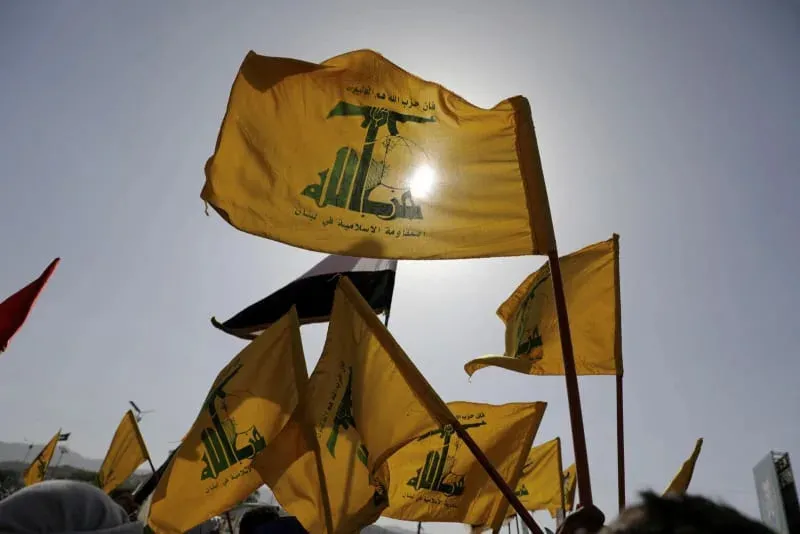
On December 4, reports emerged that Iraq had approved freezing the assets of Iranian-backed groups, including Lebanon's Hezbollah and Yemen's Houthis. However, Iraqi authorities quickly clarified that the initial publication was mistaken.
According to Reuters, Iraq's Official Gazette initially announced the freezing of funds for these groups, but the state news agency stated that the list would be corrected. Shortly afterward, Shafaq News reported that the Iraqi government had backtracked, confirming that only entities and individuals linked to ISIS and Al-Qaeda would be targeted, and Hezbollah and the Houthis would not be included.
The confusion comes in the wake of a recent attack on the Khor Mor gas field in Iraq's Kurdistan Region, suspected to have been carried out by Iranian-backed militias. The attack caused power outages, drawing condemnation from the US and the UN, while Iraqi officials vowed investigations. Iraq blamed "outlawed" groups using two kamikaze drones.
Washington has pressured Baghdad to limit the influence of Iranian-backed militias such as Kataib Hezbollah, which are part of the Popular Mobilization Forces. These groups operate officially but often beyond legal oversight. Most have been sanctioned by the US as terrorist organizations, with the exception of Badr, the largest militia network.
Reuters noted that the "Committee of Freezing Terrorists' Funds" had indicated it would revise the list of sanctioned groups without specifying whether Hezbollah and the Houthis would remain included. Analysts suggested that freezing the assets of Iranian proxies would align with US interests in reducing Tehrans influence in the region.
An Iraqi official, speaking to Al-Ain News anonymously, said the decision was part of aligning Iraqs laws with Financial Action Task Force (FATF) requirements and that the lists are continuously updated based on Security Council sanctions. The official confirmed that Iraq had initially designated Hezbollah and the Houthis as terrorist organizations and planned to freeze their assets, but the lists were prematurely published and contained errors.
According to Shafaq News, the Central Bank of Iraq issued a statement clarifying that Resolution No. 61 of 2025, published in the Iraqi Gazette, should exclude Hezbollah and the Houthis. The Acting Deputy Governor and Head of the Committee for Freezing Terrorist Funds, Ammar Hamad Khalaf, instructed that the names be removed, confirming the freeze applies only to entities connected to ISIS and Al-Qaeda.
Iraq maintains a broader terrorism list that includes over 100 individuals and organizations worldwide, some of whom are already sanctioned under UN Security Council resolutions. The correction aims to ensure only entities with verified links to ISIS and Al-Qaeda are subject to asset freezes.
Author: Harper Simmons
Share
Iraq withdraws terrorist designation on Lebanon's Hezbollah and Yemen's Houthis
19 hours ago 2 min read WORLD

UN Security Council delegation makes historic visit to Syria
20 hours ago 2 min read WORLD
Baghdad deploys air defense in Kurdish region after drones attack Iraq's Khor Mor gas field
20 hours ago 2 min read WORLD
Dispute and uncertainty in Iraq regarding freezing of Hezbollah, Houthis assets
22 hours ago 3 min read BUSINESS
Amidst numerous global challenges, Iran steps up communication with African allies for essential support
23 hours ago 3 min read WORLD
UN issues warning about upcoming atrocities in Sudan's Kordofan region
1 days ago 3 min read WORLD
Iraq reverses decision to freeze funds of Iran-backed groups, to review list of terrorist organizations
1 days ago 2 min read WORLD
UNSC delegation visits Syria one year after al-Assad's regime change
1 days ago 2 min read WORLD
Israel's new preemptive strategy clashes with Trump's vision for Syria, Middle East
2 days ago 4 min read WORLD
Leader of Gaza militia establishes new force to challenge Hamas, alerts to resurgence of terrorists during ceasefire.
3 days ago 4 min read WORLD