

FDA revises risk assessment for voluntary recall of shredded cheese
- Last update: 1 days ago
- 2 min read
- 353 Views
- BUSINESS
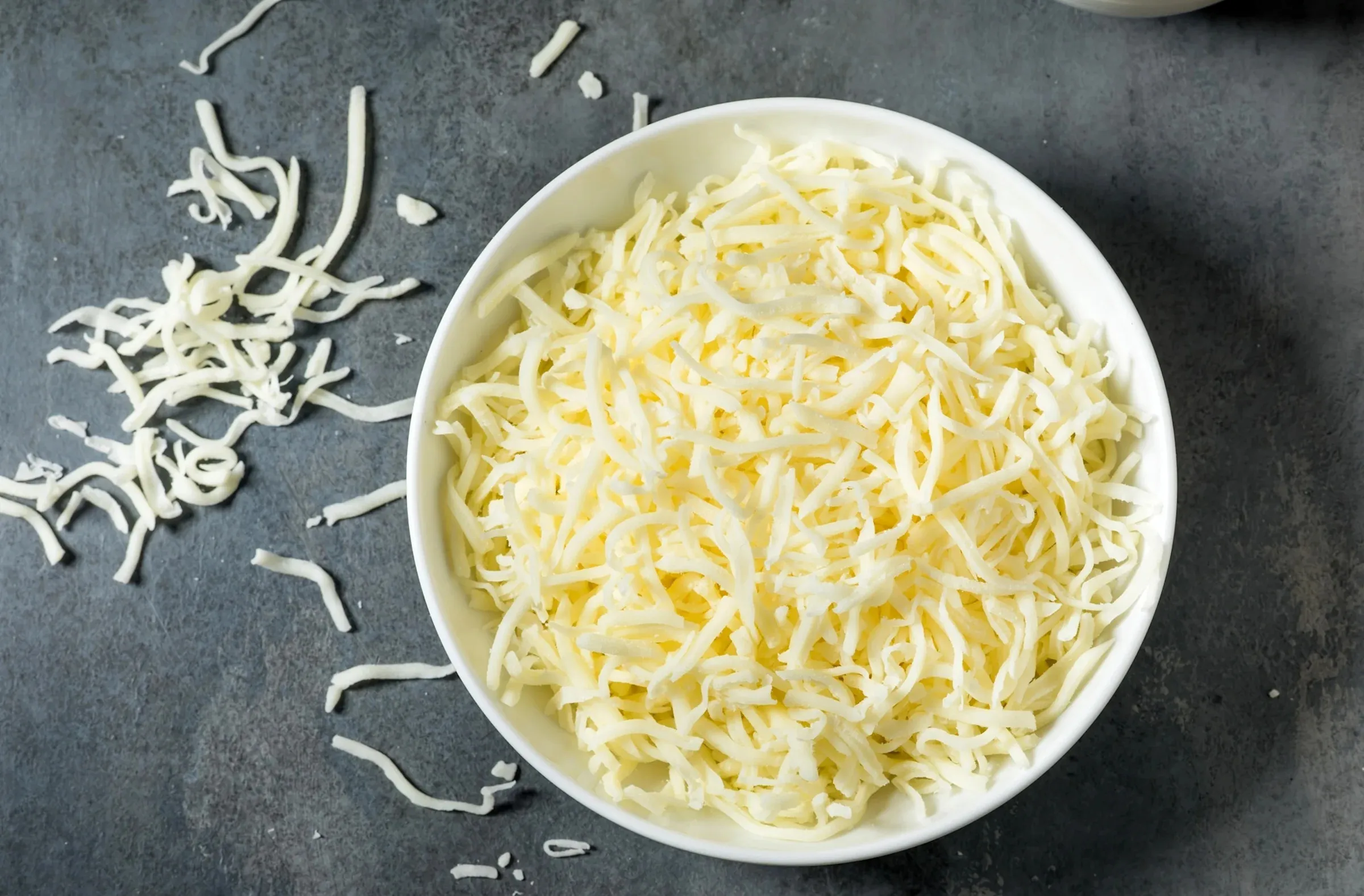
The U.S. Food and Drug Administration has evaluated a previous voluntary recall of multiple shredded cheese items sold at major retailers including ALDI, Target, and Walmart, following concerns over possible metal contamination. Consumers are advised to review the details of the recall and take precautions if they have any affected products at home.
Details of the Shredded Cheese Recall
Great Lakes Cheese Co. initiated the recall on October 3, citing potential metal fragments in certain products originating from supplier raw materials. On December 1, the FDA classified the recall as Class II, indicating that exposure to the affected products could cause temporary or reversible health effects.
Retailers and Locations
The recalled shredded cheese was distributed under various store brand labels at ALDI, Target, Walmart, Publix, Sprouts, and additional national retailers. Products reached 31 U.S. states and Puerto Rico, including Alabama, Arizona, California, Florida, Georgia, Illinois, New York, Texas, Washington, and others.
Types of Products Involved
The recall encompasses a range of shredded cheese varieties, sizes, and blends, such as Italian-style, pizza-style, mozzarella, mozzarella and provolone, and mozzarella and Parmesan. Specific UPC codes, package sizes, and "best by" dates are listed in the FDA's detailed recall notice.
Examples of Affected Products
- Low-moisture part-skim mozzarella shredded cheese, 8 oz., UPC 5300007162
- Finely shredded mozzarella, 8 oz., UPC 9282510119
- Shredded mozzarella and provolone, 12 oz., UPC 4061463330949
- Classic cut shredded, 32 oz., UPC 1015983020
Recommended Actions for Consumers
The FDA advises individuals to inspect their homes for any recalled shredded cheese and to avoid giving it away, including to food banks or pets. Products may typically be returned to the store for a full refund. If returning is not possible, consumers should securely wrap the item and dispose of it safely.
Additionally, all surfaces that may have contacted the cheese should be cleaned and sanitized. Anyone experiencing symptoms after consuming the affected products should contact their healthcare provider immediately.
Author: Connor Blake
Share
Ritz Crackers Recalled Due to Undeclared Allergen
1 days ago 1 min read ENTERTAINMENT

Recall of Hundres of Dog Food Cases due to Plastic Contamination Risk
1 days ago 2 min read WORLD
Check your fridge for these brands: 1.5 million bags of shredded cheese recalled
1 days ago 3 min read BUSINESS
Recall of Shredded Cheese Affects Products Sold at Target, Walmart, Aldi, and Other Stores
1 days ago 2 min read BUSINESS
More than 1.5 Million Bags of Cheese Recalled from Walmart, Aldi, and Other Retailers Due to Possible Metal Contamination
1 days ago 2 min read BUSINESS
Dangerous Reason Leads to Recall of Shredded Cheese at Aldi, Walmart, and Other Big Stores
1 days ago 2 min read BUSINESS

Recall of Shredded Cheeses Sold at Walmart and Target. View List of Affected Items.
1 days ago 2 min read BUSINESS

More than 1.5 Million Bags of Shredded Cheese Recalled due to Possible Metal Contamination
1 days ago 2 min read HEALTH
FDA revises risk assessment for voluntary recall of shredded cheese
1 days ago 2 min read BUSINESS
Ritz Crackers Recalled in 8 States Due to Risk of Life-Threatening Allergen
1 days ago 1 min read BUSINESS