

Supreme Court to consider Trump's controversial policy on birthright citizenship
- Last update: 1 hours ago
- 3 min read
- 314 Views
- POLITICS
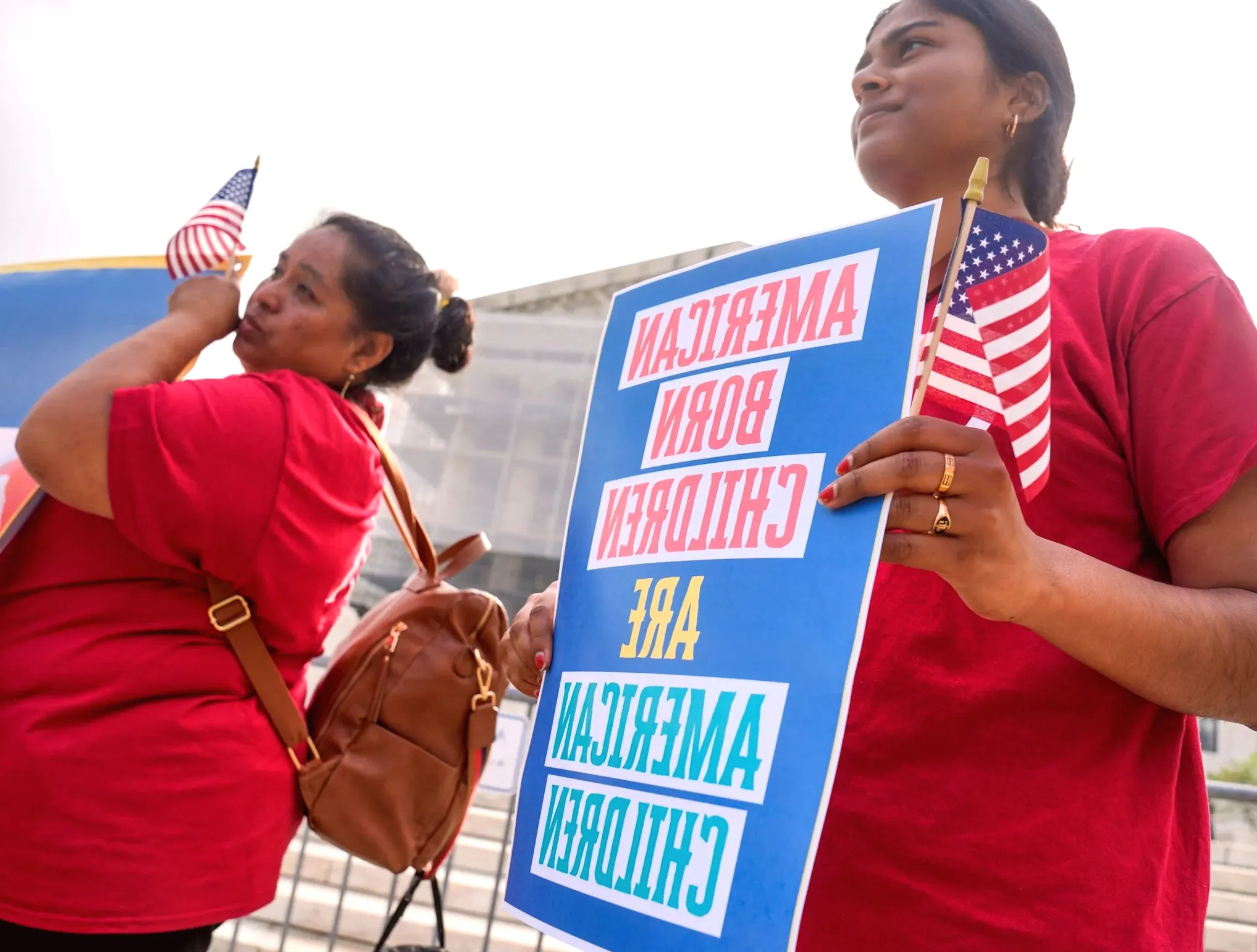
WASHINGTON The Supreme Court has agreed to determine whether former President Donald Trump has the authority to restrict birthright citizenship for certain children born in the United States. This case adds one of Trumps most debated policies to the courts docket this term.
On December 5, the high court announced it would examine lower courts rejections of Trumps claim that children of parents residing in the country illegally or temporarily should not automatically receive U.S. citizenship. The justices are also considering other key Trump-era policies, including the enforcement of broad tariffs and the presidents power to dismiss heads of independent federal agencies at will.
The case, Trump v. CASA, Inc., involves whether the Supreme Court should lift the nationwide preliminary injunctions blocking the Trump administrations executive order ending automatic citizenship. Demonstrations in support of birthright citizenship have occurred outside the court, highlighting the high public interest in the issue.
Until now, the Court primarily ruled on procedural questions affecting whether Trumps controversial measures could proceed while litigation continued. Many rulings have favored the administration, including a June decision limiting judges ability to pause the birthright citizenship policy without addressing its legality. However, lower courts have maintained the policy cannot yet be implemented, and the Supreme Court must now decide its ultimate enforceability.
Legal analysts note that this case provides an opportunity for the conservative-majority court, which includes three justices appointed by Trump, to demonstrate independence from the former president.
Multiple federal courts have previously deemed Trumps plan illegal. In appealing those decisions, Solicitor General John Sauer argued that the rulings grant citizenship without lawful basis to hundreds of thousands of unqualified individuals, undermining border security.
The policy faces challenges from Washington, Arizona, Illinois, and Oregon. These states did not oppose Supreme Court review, acknowledging that the administration could prevail. Attorneys for the states argued the Court seeks a swift resolution due to the policys potential impact, describing the executive order as threatening to national stability and the principle of equal citizenship for those born on U.S. soil.
The American Civil Liberties Union, representing children who would be denied citizenship under the policy, urged the Court to reject the appeal and end what it called a cruel measure.
Trumps argument hinges on a clause in the 14th Amendment, ratified after the Civil War, which states: All persons born or naturalized in the United States, and subject to the jurisdiction thereof, are citizens of the United States and of the State wherein they reside. He claims the phrase subject to the jurisdiction thereof excludes children of non-citizen parents, even if those parents obey U.S. laws.
Under the policy, federal agencies were directed not to recognize citizenship for children born in the U.S. unless at least one parent is a citizen or lawful permanent resident. Lower courts have rejected this interpretation, stating it conflicts with the plain text of the Constitution, Supreme Court precedent from 1898, and the Immigration and Nationality Act of 1940. The 9th U.S. Court of Appeals described Trumps reading of the Constitution as strained and novel and contrary to justice.
Author: Noah Whitman
Share

US Supreme Court to Determine Legality of Trump's Birthright Citizenship Order
20 minutes ago 2 min read POLITICS
Supreme Court to review Trump birthright citizenship case
23 minutes ago 1 min read POLITICS
Supreme Court to consider case on Trump's birthright citizenship order
31 minutes ago 2 min read POLITICS
Supreme Court to review Trump's attempt to block birthright citizenship
32 minutes ago 3 min read POLITICS
Supreme Court to rule on legality of Trump's birthright citizenship order
1 hours ago 2 min read POLITICS
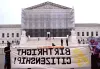
US Supreme Court to consider case questioning birthright citizenship
1 hours ago 1 min read POLITICS
The Supreme Court to Rule on Constitutionality of Trump's Birthright Citizenship Order
1 hours ago 3 min read POLITICS

Supreme Court to rule on Trump's attempt to restrict birthright citizenship
1 hours ago 3 min read POLITICS

Supreme Court to Consider Trump's Attempt to End Birthright Citizenship
1 hours ago 2 min read POLITICS

Justice Department urges Supreme Court to prevent immigration judges from filing free speech lawsuit
1 hours ago 3 min read POLITICS