

The Supreme Court to Rule on Constitutionality of Trump's Birthright Citizenship Order
- Last update: 1 hours ago
- 3 min read
- 412 Views
- POLITICS
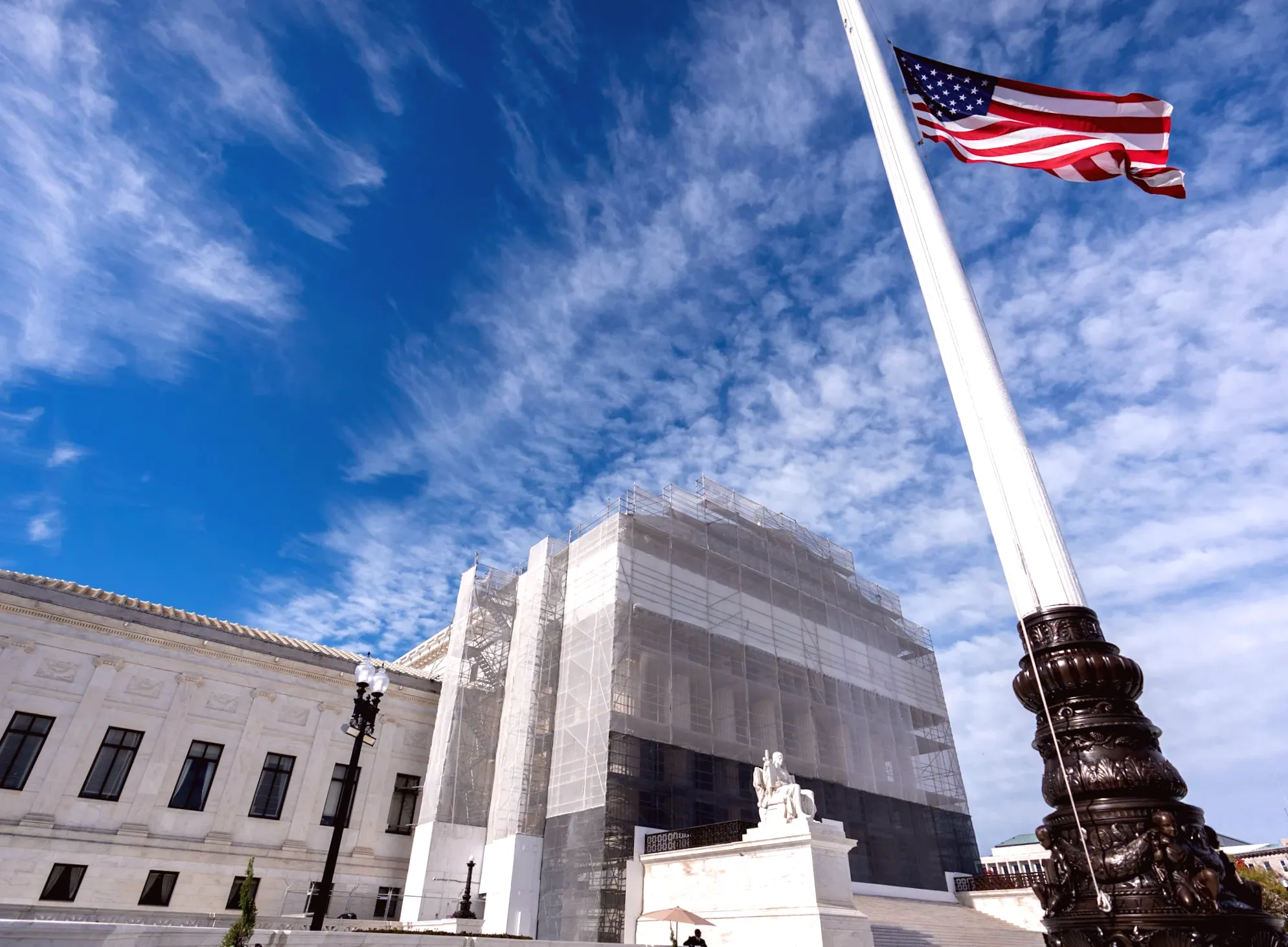
WASHINGTON The Supreme Court announced Friday that it will consider the legality of President Donald Trumps directive on birthright citizenship, which asserts that children born in the United States to parents who are in the country illegally or temporarily should not automatically receive citizenship. The justices will examine Trumps appeal against a lower court decision that blocked the order, which has not been implemented anywhere in the nation. Arguments are scheduled for spring, with a final ruling expected by early summer.
Signed on January 20, the first day of Trumps second term, the birthright citizenship order is part of a broader set of immigration policies under his administration. These measures also include intensified immigration enforcement in various cities and the first peacetime use of the 18th-century Alien Enemies Act. Courts have issued mixed responses to these actions: while the Supreme Court blocked attempts to quickly deport alleged Venezuelan gang members under the Alien Enemies Act, it permitted the continuation of widespread immigration stops in the Los Angeles area after a lower court prohibited detentions based solely on race, language, occupation, or location. The Court is also reviewing an emergency request to allow National Guard deployment in Chicago for immigration enforcement, which a lower court has paused indefinitely.
Birthright citizenship is the first Trump-era immigration policy to reach the Supreme Court for a definitive decision. The directive would challenge over 125 years of legal precedent interpreting the 14th Amendment as granting citizenship to anyone born on U.S. soil, except for children of foreign diplomats or occupying forces.
Lower courts have consistently struck down the order as unconstitutional or likely so, even after a June Supreme Court decision limited nationwide injunctions. Every court examining the issue has found that the order conflicts with the 14th Amendment, which was designed to secure citizenship for formerly enslaved people and their descendants. Current law automatically grants citizenship to anyone born in the United States, including children of parents residing illegally.
The case at hand originates from New Hampshire, where a federal judge blocked the citizenship directive in a class-action lawsuit representing all potentially affected children. Additionally, the administration requested Supreme Court review of a July ruling by the 9th U.S. Circuit Court of Appeals in San Francisco. That court had determined that several Democratic-led states suing over the order required a nationwide injunction to prevent unequal application of citizenship rules. The Supreme Court has not yet acted on the 9th Circuit case.
The Trump administration argues that children of noncitizens are not subject to the jurisdiction of the United States and therefore do not qualify for citizenship. The Fourteenth Amendments Citizenship Clause was adopted to grant citizenship to newly freed slaves and their childrennot to the children of aliens illegally or temporarily in the United States, Supreme Court lawyer D. John Sauer wrote in urging review. The order has garnered support from 24 Republican-led states and 27 Republican lawmakers, including Senators Ted Cruz and Lindsey Graham.
Author: Olivia Parker
Share

US Supreme Court to Determine Legality of Trump's Birthright Citizenship Order
20 minutes ago 2 min read POLITICS
Supreme Court to review Trump birthright citizenship case
23 minutes ago 1 min read POLITICS
Supreme Court to consider case on Trump's birthright citizenship order
31 minutes ago 2 min read POLITICS
Supreme Court to review Trump's attempt to block birthright citizenship
32 minutes ago 3 min read POLITICS
Supreme Court to rule on legality of Trump's birthright citizenship order
1 hours ago 2 min read POLITICS
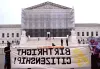
US Supreme Court to consider case questioning birthright citizenship
1 hours ago 1 min read POLITICS

The Supreme Court to Rule on Constitutionality of Trump's Birthright Citizenship Order
1 hours ago 3 min read POLITICS

Supreme Court to rule on Trump's attempt to restrict birthright citizenship
1 hours ago 3 min read POLITICS

Supreme Court to Consider Trump's Attempt to End Birthright Citizenship
1 hours ago 2 min read POLITICS

Supreme Court to consider Trump's controversial policy on birthright citizenship
1 hours ago 3 min read POLITICS