

Trump Acknowledges Speaking with Maduro on the Phone
- Last update: 3 days ago
- 3 min read
- 17 Views
- POLITICS
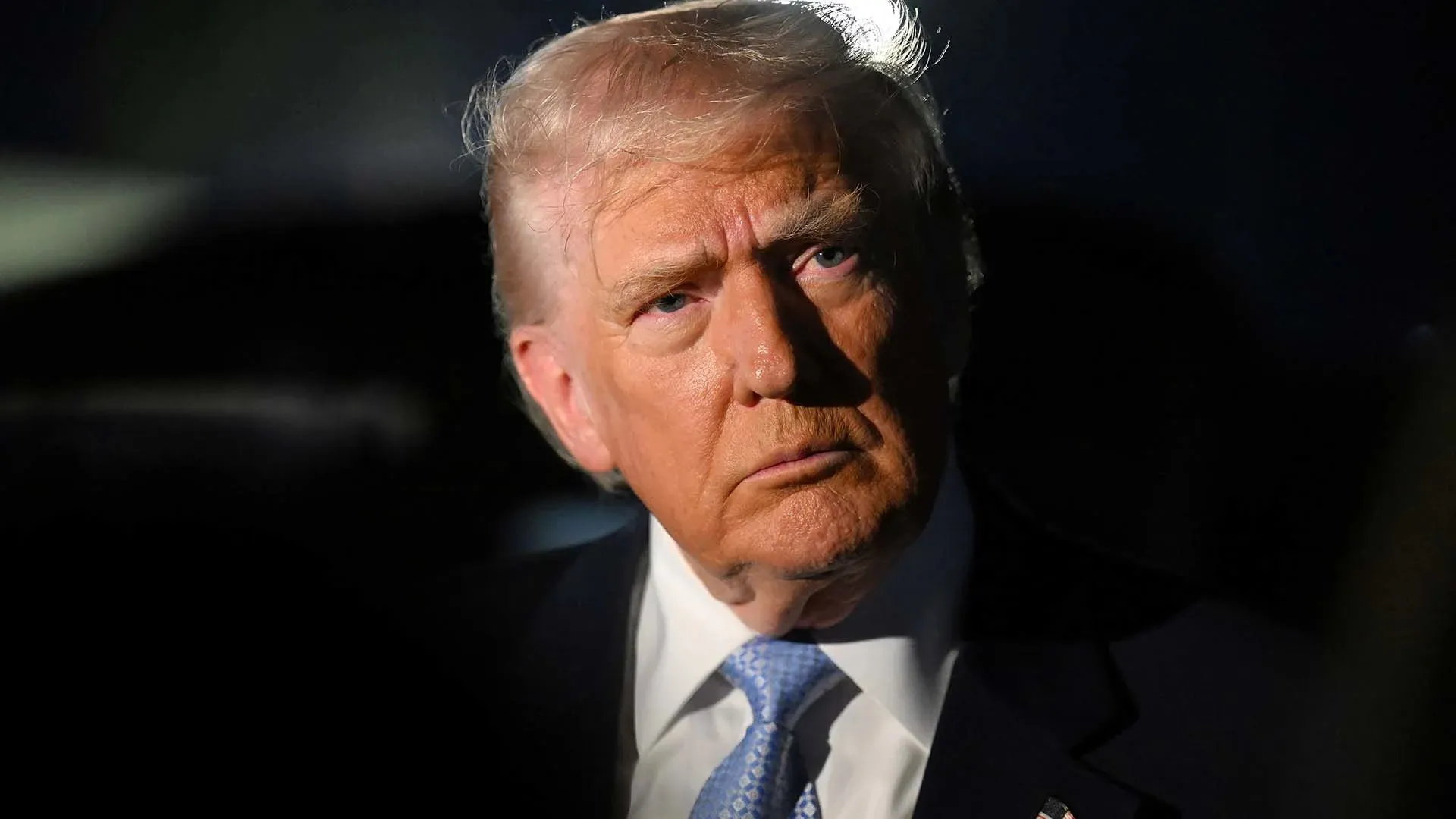
President Donald Trump has confirmed a recent phone conversation with Venezuelan President Nicols Maduro, though he provided no specifics about the discussion. Media reports suggest the conversation quickly reached a stalemate due to stark differences between the two leaders positions.
According to sources cited by The Miami Herald, Washington demanded that Maduro and his inner circle leave Venezuela immediately to restore democratic governance. Maduros team proposed transferring political authority to the opposition while maintaining control over the military, which was rejected. The U.S. reportedly offered safe passage for Maduro and his family only if he resigned promptly.
The call, described as an effort to prevent direct confrontation, also stalled over Maduros requests for amnesty and a delayed departureboth of which were denied. The New York Times noted that the discussion included the possibility of a future meeting, though no plans are currently in place.
Trump acknowledged the call on Air Force One, stating, I wouldnt say it went well or badly. It was a phone call, without elaborating further.
U.S. Military Strikes on Suspected Drug Vessels
On Monday, the White House confirmed that the Pentagon conducted a second strike on a suspected drug boat on September 2. The operation, which reportedly resulted in the deaths of two survivors, has triggered bipartisan Congressional scrutiny. White House spokesperson Karoline Leavitt stated that the strike was legal under the law of armed conflict and emphasized that the targeted groups have been designated as foreign terrorist organizations.
Senate Armed Services Committee leaders pledged a thorough investigation into the incident, with House counterparts launching a parallel review. The inquiry will examine both the legality and the operational conduct of the strike, as media reports claimed that Secretary of War Pete Hegseth ordered the elimination of survivors, a claim he denied.
Trump indicated he had confidence in Hegseth, adding that he would not have approved any secondary strike against survivors. Admiral Alvin Holsey, former commander of U.S. Southern Command, retired early amid speculation that his departure was linked to concerns over these operations. Legal advisors within SOUTHCOM had reportedly flagged the strikes as potentially constituting extrajudicial killings.
Venezuelan Oil and Geopolitical Concerns
Maduro has accused the U.S. of attempting to seize Venezuelas oil reserves under the guise of anti-drug operations. Venezuelas Foreign Minister Yvan Gil Pinto stated that such actions would destabilize global energy markets and vowed to protect the countrys resources.
U.S. Military Build-Up in the Caribbean
Regardless of the ongoing dialogue, the U.S. has deployed its largest military presence in the Caribbean since the 1962 Cuban Missile Crisis. This includes 11 Navy vessels, a special operations mothership, aviation assets, and roughly 15,000 troops. The aircraft carrier USS Gerald R. Ford recently made a port call in St. Thomas, U.S. Virgin Islands, highlighting the scale of Operation Southern Spear and the logistical demands on personnel.
Rear Adm. Paul Lanzilotta, commander of Carrier Strike Group Twelve, emphasized the readiness and adaptability of the deployed forces, noting that the port visit provides necessary rest and recuperation while continuing operational priorities.
Trump is scheduled to meet in the Oval Office to discuss the next steps regarding Venezuela, with potential military options remaining on the table.
Author: Sophia Brooks
Share
Video Shows Hegseth Lied About Key Detail in Boat Bombing
11 seconds ago 1 min read POLITICS
FBI Official Confesses to Receiving Payment for Deception Before Joining Trump's Team
4 minutes ago 1 min read POLITICS

Angry Trump Supporter Condemns Trump for Racist Comments: ‘My Children Deserve Respect!’
6 minutes ago 2 min read POLITICS
Trump's national security strategy emphasizes 'fostering opposition' in Europe and reshaping US' role in the Western Hemisphere.
13 minutes ago 3 min read POLITICS
Video Shows Hegseth Lied About Crucial Detail in Boat Bombing
13 minutes ago 1 min read POLITICS
Trump, 79, Is Concerned About Reports That He's an Exhausted Elderly Man
13 minutes ago 2 min read POLITICS
Trump Warns of 'Complete and Total OBLITERATION' if Democrats Take Power
14 minutes ago 2 min read POLITICS
Bongino admits he was paid for his opinions on past pipe bomb cover-up claim
21 minutes ago 2 min read POLITICS

Lessons for Democrats from Tennessee: Aftyn Behn and Rahm Emanuel on Whole Hog Politics
24 minutes ago 3 min read POLITICS
Understanding the who and what of presidential power
25 minutes ago 3 min read POLITICS