

Winter solstice: The Daylight Hours Comparison between Winter and Summer
- Last update: 1 hours ago
- 2 min read
- 207 Views
- BUSINESS
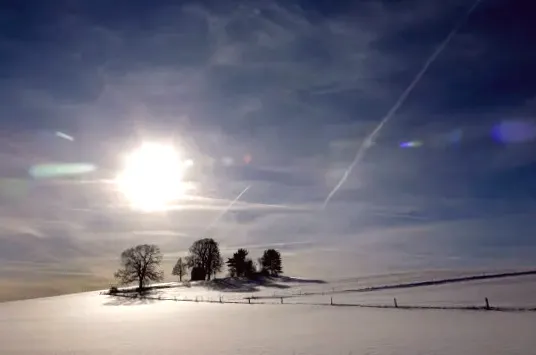
A snowy scene near Starnberg, southern Germany, captured on Thursday, Dec. 13, 2012, illustrates the approach of winter across the Northern Hemisphere.
As the winter solstice nears, North America is approaching the year's briefest day, with many regions having lost several hours of sunlight since summer.
When the Winter Solstice Occurs
This year, the winter solstice will take place at 10:03 a.m. EST on Sunday, Dec. 21, when the Northern Hemisphere is tilted farthest from the sun. It is the counterpart to the summer solstice, which occurred on June 20 at 10:42 p.m. EDT and marked the longest day of the year. Since then, days have gradually shortened, with later sunrises and extended nights.
Daylight Reduction by Region
The amount of daylight lost depends on geographic location. In southern U.S. cities like Miami, Houston, Atlanta, and Los Angeles, daylight decreases by roughly three to four and a half hours between the summer and winter solstices. For instance, Miami experiences a drop from 13 hours 45 minutes in June to 10 hours 31 minutes in December, a reduction of just over three hours.
Further north, the change is more pronounced. New York City and Chicago see a decrease of about six hours, while northern cities such as Minneapolis and Portland lose nearly seven hours of daylight. Seattle experiences a reduction of approximately seven hours and 34 minutes, highlighting its high latitude.
Why Daylight Varies
These shifts result from Earth's axial tilt of roughly 23.5 degrees. During summer, the Northern Hemisphere tilts toward the sun, giving longer, higher arcs of sunlight. By winter, it tilts away, shortening the sun's path and the length of daylight.
When Days Begin to Lengthen Again
The winter solstice marks the point at which daylight begins to increase. After Dec. 21, days gradually become longer, starting with a small daily increase of just a few seconds, signaling the return of longer evenings as winter progresses.
Author: Noah Whitman
Share

View images of arctic cold wave affecting the Midwest and Northeast.
1 hours ago 2 min read BUSINESS
Three polar vortices cause temperatures to drop in central and eastern U.S. as the first Arctic cold front arrives
5 hours ago 3 min read WORLD
Three polar vortices cause temperatures to drop in central and eastern U.S. as initial Arctic cold front approaches
5 hours ago 3 min read WORLD
Will Michigan experience the supermoon tonight? The cold moon may be hidden
1 days ago 2 min read US
When to go outside in Florida to see the full moon? Best times and tips
1 days ago 2 min read WORLD
Expert warns of upcoming extreme cold in US region: 'Temperatures dropping sooner than ever'
1 days ago 3 min read WORLD
The final supermoon of the year is December's full moon. Here's what you need to know.
2 days ago 2 min read US

Winter Solstice 2025: A guide to the shortest day of the year
2 days ago 2 min read US

December Weather Predictions Across the US by The Old Farmer's Almanac
2 days ago 3 min read WORLD

Millions in the Midwest, Northeast to Experience Record Cold During First Week of Meteorological Winter
3 days ago 3 min read WEATHER