

The Correct Order to Watch The Final Destination Movies
- HOME
- ENTERTAINMENT
- The Correct Order to Watch The Final Destination Movies
- Last update: 2 days ago
- 4 min read
- 847 Views
- ENTERTAINMENT
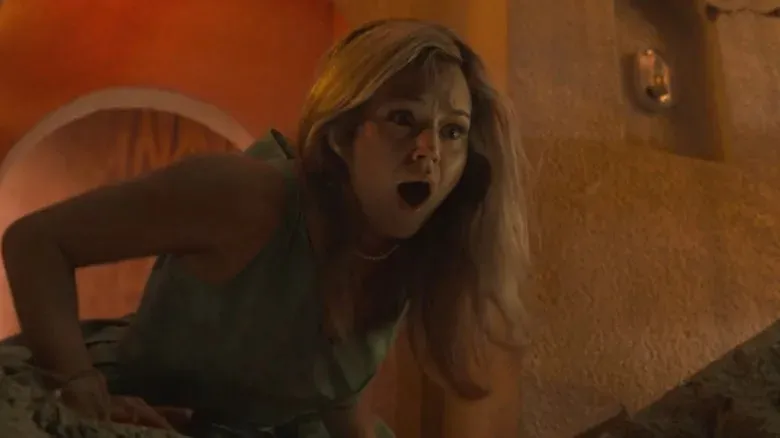
The Legacy of Final Destination
When "Final Destination" debuted in 2000, horror cinema was at an intriguing crossroads. The slasher craze of the 1980s had faded, giving way to witty, self-aware teen horror films inspired by "Scream." Even Chucky from the "Child's Play" series had transitioned from terrifying doll to camp icon. Unlike most teen-centered horrors of its time, "Final Destination" stood out for its relentless, almost gleeful cruelty. The franchise quickly became known for inventing elaborate and shocking ways to kill its characters, consistently upping the ante with each installment.
Why You Should Watch in Release Order
With a franchise spanning over two decades, newcomers might be unsure where to start, especially given the unconventional numbering system. Watching the films in the order they were released is the most satisfying approach. This method allows viewers to experience the series evolution and appreciate how the filmmakers progressively refined their creative kills and story mechanics.
Final Destination (2000)
The first film introduces Alex (Devon Sawa), a teen who experiences a premonition of his plane exploding on a school trip to Paris. Although he manages to convince a few classmates to leave the flight, Death begins to claim the survivors one by one in the order they would have perished. The film sets a foundational tone for the series, combining suspense, inventive deaths, and a haunting sense of inevitability.
Final Destination 2 (2003)
Famed for its iconic log-truck highway crash, the second film builds on the first by introducing returning character Clear Rivers (Ali Larter) and Death expert Bludworth (Tony Todd). The sequel demonstrates how the series cleverly explores chain reactions and intricate cause-and-effect sequences. Watching this film second highlights the series growing complexity and the creative variations in Death's methods.
Final Destination 3 (2006)
Set at an amusement park, this entry opens with Wendy (Mary Elizabeth Winstead) foreseeing a catastrophic roller coaster accident. As the narrative unfolds, the film references previous premonitions, establishing a broader mythology. Winstead delivers one of the franchises strongest performances, making this installment a crucial emotional and narrative bridge before the series later, more extravagant sequences.
The Final Destination (2009)
Despite low critical reception, this fourth installment experiments with 3D effects, presenting disasters like a speedway crash with a heightened visual style. While the CGI-heavy approach may have aged poorly, inventive kills like the movie theater explosion maintain the series signature flair. Watching it fourth keeps the narrative progression smooth without diluting earlier emotional stakes.
Final Destination 5 (2011)
The fifth film revisits the numbering system and delivers one of the franchises most disturbing disasters: a bridge collapse. Sam (Nicholas D'Agosto) tries to save friends, but Death still intervenes in unexpected ways. The films climactic twist connects it to the original 2000 movie, rewarding viewers who have followed the release order carefully and preserving the narrative surprise.
Final Destination Bloodlines (2025)
After a long hiatus, "Bloodlines" reinvigorates the franchise with a mix of humor, horror, and fan-service Easter eggs. Opening in the 1960s, the film frames the series timeline while introducing new inventive deaths. Longtime fans will appreciate Tony Todds poignant final performance as Bludworth, making this installment the most emotionally resonant finale. Watching it last ensures viewers experience the full arc of the character and the franchise.
Alternative Viewing Order
For die-hard fans, a chronological timeline based on in-universe events is possible, starting with the early scenes of "Bloodlines," followed by the rest of the franchise, and finishing "Bloodlines." While this approach is intriguing, it may reduce the impact of narrative surprises that were designed to unfold in release order.
Conclusion
Experiencing the "Final Destination" films in the order they were released allows viewers to witness the franchises growth, from its tense and eerie beginnings to the elaborate, over-the-top spectacles of later entries. Each film builds on the last, making the release order the most rewarding path for both newcomers and longtime fans.
Author: Sophia Brooks
Share

Michael Buble Suggests Fans Listen to Christmas Music in June: 'Would Boost my Streaming Revenue'
1 minutes ago 1 min read ENTERTAINMENT

MP praised as a hero for rescuing constituent's life
1 minutes ago 2 min read ENTERTAINMENT

Kim Matula and Alex FitzAlan Join the Cast for Season 2 of ‘The Hunting Wives’
2 minutes ago 2 min read ENTERTAINMENT

Khloe Kardashian Admits Fear of the Dark After Spooky 'Ghost' Encounter Keeps Her Awake at Night
2 minutes ago 2 min read ENTERTAINMENT

Sara Foster Paused Her Daughter’s Tennis Practice to Have Her Facetime with a Major Star
3 minutes ago 2 min read ENTERTAINMENT

Exploring the Depths: SpongeBob Meal at Burger King Now Available (For a Limited Time)
4 minutes ago 2 min read ENTERTAINMENT

Joe Jonas Acknowledges Familiarity with 'KPop Demon Hunters' Due to His Daughters
5 minutes ago 2 min read ENTERTAINMENT
David Archuleta feels like he's channeling the 'Rat Pack' with his intimate Christmas residency
6 minutes ago 2 min read ENTERTAINMENT

Jeremy O. Harris Detained at Japan Airport Due to Alleged Discovery of Ecstasy in His Bag
6 minutes ago 2 min read ENTERTAINMENT

Cynthia Erivo Takes Lead in 'Harry Potter' Reboot as Odds Tighten for Gender-Swapped Voldemort
7 minutes ago 3 min read ENTERTAINMENT